Paul Heyse Quotes
In the spring of 1854, some of my publications persuaded King Maximilian II of Bavaria to offer me, at the suggestion of Emanuel Geibel, a position in Munich with an annual salary of 1000 guilders, to take part in his so-called symposia, weekly soirees at which scholars and poets were gathered.
Heyse, Paul. "Paul Heyse - Biographical." Nobel Lectures, Literature 1901-1967, edited by Horst Frenz, Elsevier Publishing Company, 1969.


Thompson sailed into Phnom Phen in a gunboat. With armed “bodyguards” he forced his way into the palace, manhandled the king’s secretary who tried to prevent him from seeing King Norodom, and presented the treaty to the king who signed it. Cambodia had sought French “protection” from the two great powers adjacent, Vietnam and Thailand—see {601401}. In addition to the pressure of the two large neighbors, Norodum’s government was extremely weak and the French were ready to back a rival Sisowath. One of the ironies of this egregious example of gunboat diplomacy is that one of the first things the French did under the clause was to abolish Cambodian slavery. There were a few good things that occurred with most colonialism. The argument has always been was the good worth the bad that inevitably came with an undemocratic form of government.


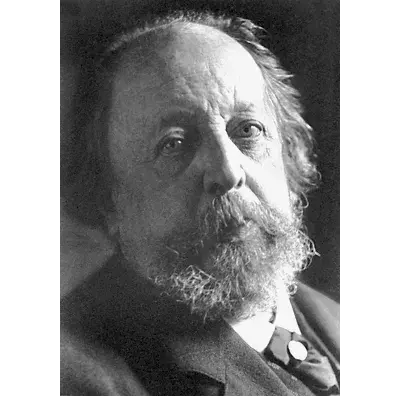
Paul Johann Ludwig von Heyse was a distinguished German writer and translator. A member of two important literary societies, the Tunnel über der Spree in Berlin and Die Krokodile in Munich, he wrote novels, poetry, 177 short stories, and about sixty dramas. The sum of Heyse's many and varied productions made him a dominant figure among German men of letters. He was awarded the Nobel Prize for Literature in 1910 "as a tribute to the consummate artistry, permeated with idealism, which he has demonstrated during his long productive career as a lyric poet, dramatist, novelist and writer of world-renowned short stories." Wirsen, one of the Nobel judges, said that "Germany has not had a greater literary genius since Goethe." Heyse is the fifth oldest laureate in literature, after Alice Munro, Jaroslav Seifert, Theodor Mommsen and Doris Lessing.
