CHARLES THOMSON

Thompson sailed into Phnom Phen in a gunboat. With armed “bodyguards” he forced his way into the palace, manhandled the king’s secretary who tried to prevent him from seeing King Norodom, and presented the treaty to the king who signed it. Cambodia had sought French “protection” from the two great powers adjacent, Vietnam and Thailand—see {601401}. In addition to the pressure of the two large neighbors, Norodum’s government was extremely weak and the French were ready to back a rival Sisowath. One of the ironies of this egregious example of gunboat diplomacy is that one of the first things the French did under the clause was to abolish Cambodian slavery. There were a few good things that occurred with most colonialism. The argument has always been was the good worth the bad that inevitably came with an undemocratic form of government.
Thomson had thousands of pages of notes, minutes and other documents as a result of his role as Secretary of the Continental Congress. There was much in the documents to embarrass many of the patriots who after the Revolution were the “great men of the nation.” Although he was expected to write a history, he translated the Bible and studied bee keeping instead and reputations of some of the Founding Fathers were not tarnished.
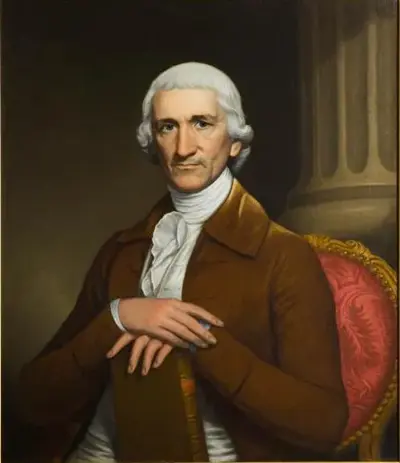
Charles Thomson was an Irish-born Patriot leader in Philadelphia during the American Revolution, and the secretary of the Continental Congress (1774–1789) throughout its existence.
