Ryszard Kapuscinski Quotes
In the Russian experience, although the Russian state is oppressive, it is their state, it is part of their fabric, and so the relation between Russian citizens and their state is complicated.
Kapuściński, Ryszard. Imperium. Translated by Klara Glowczewska, Alfred A. Knopf, 1994.


1st Earl of Beaconsfield


The Southern authorities were particularly angry with people form the North coming South to demonstrate over unconstitutional and immoral segregation laws. Northerners were considered as having no business with Southern desegregation. Mrs. Peabody, and the wives of a number of wives of Christian Bishops, black and white, went to a restaurant in St. Augustine and requested service which was contrary to the segregation laws of Florida at the time. The women were arrested. The act of civil disobedience in integrating the restaurant was one act of a planned desegregation strategy worked out with Martin Luther King’s SCLC organization. The mature age of the women and their prominent husbands brought a great deal of newspaper coverage which is just what the demonstrators wanted. The photo is of Mrs. Peabody getting arrested. See {637404} and {637406} for more on this incident.


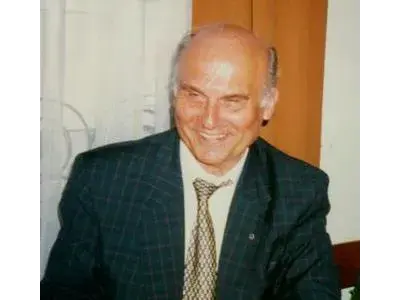
Ryszard Kapuściński was a Polish journalist, photographer, poet and author. He received many awards and was considered a candidate for the Nobel Prize for Literature. Kapuściński's personal journals in book form attracted both controversy and admiration for blurring the conventions of reportage with the allegory and magical realism of literature. He was the Communist-era Polish Press Agency's only correspondent in Africa during decolonization, and also worked in South America and Asia. Between 1956 and 1981 he reported on 27 revolutions and coups, until he was fired because of his support for the pro-democracy Solidarity movement in his native country. He was celebrated by other practitioners of the genre. The acclaimed Italian reportage-writer Tiziano Terzani, Colombian writer Gabriel García Márquez, and Chilean writer Luis Sepúlveda accorded him the title "Maestro".
