Polybius Quotes
In the choice of these captains not those that are the boldest and most enterprising are esteemed the best; but those rather, who are steady and sedate; prudent in conduct, and skillful in command. Nor is it so much required, that they should be at all times eager to begin the combat, and throw themselves precipitately into action
Polybius, c.200BC - 118 BC, Greek Historian, Criteria for selecting military officers for the Roman Army, Rome at the End of the Punic Wars
Sourced by: Eigen's Political and Historical Quotations


Pietro Antonio Domenico Trapassi


Even though Roosevelt was the most popular President since George Washington, he had his critics. Taking office in 1900 after the assassination of President McKinley, he was often compared stylistically.

Albert Einstein {199615} and others did not believe that the combination was possible except for short periods of time.


Attlee was not the first person who observed this phenomenon about peace and war politics but his articulation of it is classic.


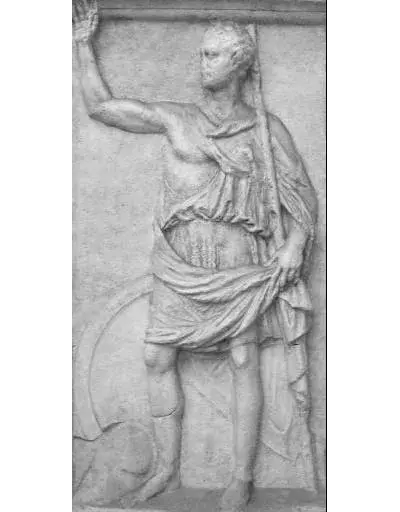
Polybius (/pəˈlɪbiəs/; Greek: Πολύβιος, Polýbios; c. 200 – c. 118 BC) was a Greek historian of the Hellenistic period noted for his work The Histories, which covered the period of 264–146 BC in detail. The work describes the rise of the Roman Republic to the status of dominance in the ancient Mediterranean world. It includes his eyewitness account of the Sack of Carthage and Corinth in 146 BC, and the Roman annexation of mainland Greece after the Achaean War.
