Ralph Abernathy Quotes
In so many instances, there has been an attempt to rewrite history. And many times, on photographs, Martin and I were marching together, hand in hand; they cropped the photographs and left me out.
Abernathy, Ralph. Quoted in "Abernathy's Book Brings Backlash." Los Angeles Times, 12 Oct. 1989.


Every military establishment has secrets that they should maintain and are not always forthcoming with facts d explanations. However, the Pentagon is so large with so many layers that there are subgroups and vested interests, prevaricate and lie, even to their own superiors. No one knows how prevalent this is, but there have be a number of major incidents where the were lies and cover-ups—usually to prevent public embarrassment to some element of the military industrial complex.

The American Founding Fathers were aware of Sidney and others who were executed for what they said about the King and the government. Hence, the First Amendment. However, John Adams passed the Alien and Sedition Acts which turned criticism into treason. It was repealed later and would probably have been declared unconstitutional if it had not been repealed. However, during the First World War, critics were also jailed. Eugene Debs, a Presidential Candidate, served several years in jail until pardoned. He had opposed the war and the Draft of soldiers. Freedom of Speech and Treason have been in contention whenever the nation might be at war or in a crisis. Supreme Court decisions may have put an end to future American censorship efforts of this kind.


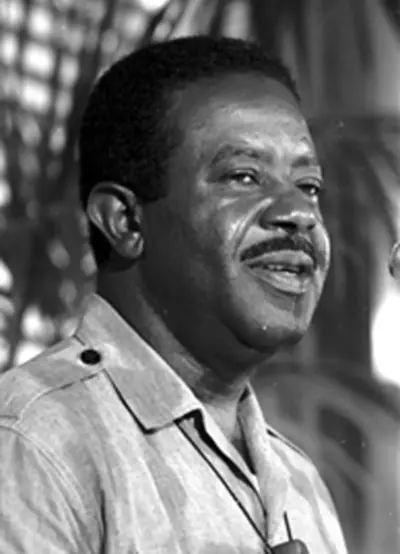
Ralph David Abernathy Sr. was an American civil rights activist and Baptist minister. He was ordained in the Baptist tradition in 1948. As a leader of the civil rights movement, he was a close friend and mentor of Martin Luther King Jr. He collaborated with King to create the Montgomery Improvement Association, which led to the Montgomery bus boycott. He also co-founded, and was an executive board member, of the Southern Christian Leadership Conference (SCLC). He became president of the SCLC following the assassination of King in 1968, where he led the Poor People's Campaign in Washington, D.C., among other marches and demonstrations for disenfranchised Americans. He also served as an advisory committee member of the Congress on Racial Equality (CORE).
