Francesco Guicciardini Quotes
In one day he [Lycurgus] eradicated from Sparta all wealth and sumptuousness; he put together all the property of all the inhabitants, then divided it equally among them; he prohibited the use of money and all the activities for which wealth is sought: sumptuous display, banquets, many servants, luxurious clothes and fine houses.
Francesco Guicciardini, 1483-1540, Florentine Statesman, Discorso di Logrogno
Sourced by: Eigen's Political and Historical Quotations


It became a slogan and rallying cry for Long and his followers.


In modern America, there are two political views of this notion. The one held by a small majority of the population is Trenchard’s quotation taken literally. Their view is that there if the is no way to maintain liberty if there is too wide a gap between the rich and the rest of the population. The second variant, held by many conservatives limits the equality to equality of opportunity. They are loathe to take any position that says that any gap between the rich and the remainder of the citizens might be too large. They would particularly disagree with the first sentence of another Trenchard quotation, {627024}.

Excesses that CEOs and other corporate executives were getting for remuneration became an issue of political controversy in the beginning of the 2nd Milleneum. However, this quotation shows that this was not a new problem and has been considered for a long time.

He was favoring state confiscation of land holdings in excess of four times the value of the standard land allotment. What is most interesting about this quotation is that the maximum ratio Plato would allow was 4 times the average. However in the 21st century, there were corporate executives being paid at 1000 times the averate wage with most conservatives believing that this (or any other ratio) was not excessive.


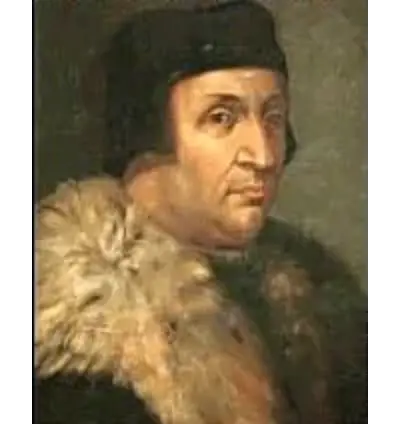
Francesco Guicciardini was an Italian historian and statesman. A friend and critic of Niccolò Machiavelli, he is considered one of the major political writers of the Italian Renaissance. In his masterpiece, The History of Italy, Guicciardini paved the way for a new style in historiography with his use of government sources to support arguments and the realistic analysis of the people and events of his time.
