Douglas Coupland Quotes
In Canada, we're happy to provide a safe haven for next-door neighbors in the middle of a marital dispute. And if anyone trips while crossing the border, we're happy to set their broken bones for free.


Congress was debating the Naturalization Act of 1790. Page and many others (see {616324}) argued that there should be no qualification requirements on immigrants as every person coming to America added to the strength of the nation. Congress reached a compromise between those who favored unlimited naturalization and citizenship and those who wanted heavy restrictions. It required a 2 year residence, a certification of good character and an oath, modest by modern standards.


At the time immigrants had to live in America 14 years before they were eligible for citizenship. The President urged a reduction in that waiting period which is what was done. This was one of the earliest statements of America as a haven to the oppressed of the world. Note that despite occasional squabbles over land use and theft, the general assessment of the President and the public was that the Indians although not as civilized had welcomed the whites with “hospitality.” The next years would produce the conflict for land and begin the massive usurpation of Indian land that would characterize American policy and practice until the latter half of the 20th century, buy which time there was little Indian land left.


Most immigration reformers want to open immigration more widely. Ward wanted immigration restricted to certain ethnicities and limited.

For Christians and Jews, this statement has formed a moral obligation to not oppress immigrants and asylum seekers.


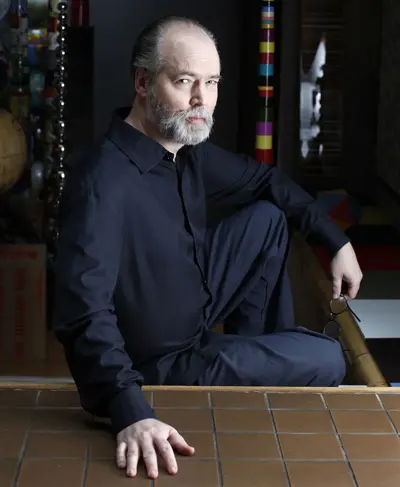
Douglas Coupland OC OBC (born 1961) is a Canadian novelist and artist. His fiction is complemented by recognized works in design and visual art arising from his early formal training. His first novel, the 1991 international bestseller Generation X: Tales for an Accelerated Culture, popularized the term such as McJob. He has published thirteen novels, two collections of short stories, seven non-fiction books, and a number of dramatic works and screenplays for film and television. He is a columnist for Financial Times. He is also a frequent contributor to The New York Times, e-flux journal, Dis, and Vice. His art exhibits include Everywhere Is Anywhere Is Anything Is Everything which was exhibited at the Vancouver Art Gallery, and the Royal Ontario Museum and the Museum of Contemporary Canadian Art, (now the Museum of Contemporary Art Toronto) and Bit Rot at Rotterdam's Witte de With Center for Contemporary Art and the Villa Stuck.
