Martin Luther King Jr. Quotes
If you athletes boycott the Olympics, it will be like a rock dropping in the water. The ripples and waves will be felt all over. You can be that rock. No one will die and that is the way to fight.
There was a planned boycott of the Olympics protesting three factors: Avery Brundage, the long serving head of the American Olympic Committee was a notorious racist and anti-Semite, Apartheid South Africa and Rhodesia had been invited to the Olympics, and there were almost no Black coaches of the American Olympic team while the majority of the athletes were Black. Dr. King met with the organizing athletes. The boycott did not get organized soon enough and did not materialize. However, Carlos and Tommy Smith made the famous raised fist gesture during the Olympic victory ceremony, and the third medal winner Australian Peter Norman wore a button supporting the protest at the ceremony. All 3 athletes faced serious retribution afterwards.
Martin Luther King Jr., 1929-1968, Clergyman & Civil Rights Leader, Nobel Peace Laureate, Statement to Olympic Runner John Wesley Carlos, Olympic Boycott Committee Meeting, New York City, 1968, Quoted by John Wesley Carlos, C-SPAN Book TV, December 10, 2011
Sourced by: Eigen's Political and Historical Quotations


This quotation was documented by an FBI illegal wiretap of King and his associates. The illegal wiretap had been insisted upon by FBI Director J. Edgar Hoover who was a racist and somewhat of a paranoid about communists. However, Attorney General, Robert F. Kennedy personally approved the illegal wiretap.


His strategy was to fill the jails of Birmingham, and asked the young people to help. The next days saw virtually all the Birmingham high school students our of school and in the streets protesting which was then against the un-Constitutional laws of Birmingham and Alabama. The students were arrested by the droves and the white authorities, believing that they were being firm against “radical lawbreakers”, fell into the trap, and became a travesty to most of the country and the rest of the world and the hundreds of jailed students beaten and assaulted raised the consciousness of whites as well as Blacks.


In 1968 John Carlos and Tommie Smith had won an Olympic track medal, and while standing on the ceremonial medal stand they each raised a black-gloved fist in a Black power salute as the Star Spangled Banner was played and the American flag was raised. The scene was televised around the world. See {619664} for Carlos’ statement.


In the early 1950s, most of the South was racially segregated. Though hard to believe today, the Alabama law then required a Black man or woman to sit in the back of the bus. Rosa Parks, a black woman, sat in a seat in the middle of the bus and refused to give up her seat to a white man. She just quietly sat in her seat. She was arrested, and this triggered the Montgomery Bus Boycott of 1955 which was a major event in the Civil Rights struggle. Alabama was not the only state where this type of outrage occurred. The South at that time was relatively backward educationally, commercially, and legally and racial segregation was a huge problem in most of the South.

This quotation was documented by an FBI illegal wiretap of King and his associates. The illegal wiretap had been insisted upon by FBI Director J. Edgar Hoover who was a racist and somewhat of a paranoid about communists. However, Attorney General, Robert F. Kennedy personally approved the illegal wiretap.

He had been kidnapped by the coup plotters and transported to Costa Rica. When they took over, he was not allowed back in the country despite objections to the coup by the United States and most other countries of the region. He managed to sneak back into Honduras and led a non-violent protest movement. He was finally restored to the presidency.


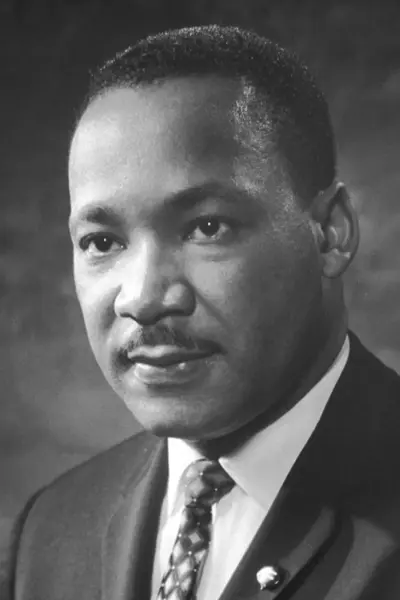
Martin Luther King Jr. was an African American Baptist minister and activist who became the most visible spokesperson and leader in the American civil rights movement from 1955 until his assassination in 1968. King advanced civil rights through nonviolence and civil disobedience, inspired by his Christian beliefs and the nonviolent activism of Mahatma Gandhi. He was the son of early civil rights activist Martin Luther King Sr.
