George Schultz Quotes
If they are too big to fail, make them smaller.
Shultz, George P., and Kenneth E. Scott. "If You're Too Big to Fail, You're Too Big." The Wall Street Journal, Dow Jones & Company, 21 July 2010.


The Dodd Frank bill was designed, in the aftermath of the large bank induced meltdown of 2008 and the Great Recession, to regulate the banking industry so that no bank would be “too big to fail”. However, although the bill placed many restrictions on the banks to prevent much of their risky economic behavior, which the banks complained inhibited their growth and profitability. However, the bill did not put any limits on the size of the large banks and their critical proportion of the U. S. Financial System. If a bank was large enough, the government did not dare allow the bank to fail regardless of how profligate the Bank had been with its depositors’ money. So the shareholders made big money from the Bank’s risky behavior if it turned out well, and if not the taxpayers had to bail the banks out, because they were too big to fail without causing much of the rest of the country to also fail. Warren and others wanted a simple solution. Break up the large banks into smaller ones and then if any one of the small units makes poor investments, the bank could fail and other than its shareholders and creditors, the effect would not be so serious that the government could not allow the bank to go into bankruptcy. Mismanaged banks could fail like other mismanaged companies and not take down much or the rest of the country with them. But the banks lobbied to prevent that, and by 2014, 6 years after the taxpayers had to bail out banks that were too big to fail, many of the banks were twice as large as they were when they were already too big to fail.


He was replying to Senator Grassley--{637990}. This quotation is one of the saddest admissions in American law enforcement and corporate regulatory history. A small group of very wealthy men, working for huge financial corporations caused the worst financial crisis since the Great Depression. The Government regulators were reined in by the Bush Presidential administration and were none to competent anyway. The Clinton Administration repealed the Glass Stiegel Act allowing banks to gamble with customer’s The Congress made matters worse by kowtowing to the housing and real estate special interests and overheating the housing market. But with all that some of the many of the financial executives committed crimes ranging from financial fraud to forgery of court documents. But they had put the country into such a poor economic state, that the Obama administration feared that prosecution of some of the leading financial executive criminals would spook the financial markets and cause an even greater economic situation. At least the Attorney General admitted the truth of Senator Grassley’s suspicion--{637990}.


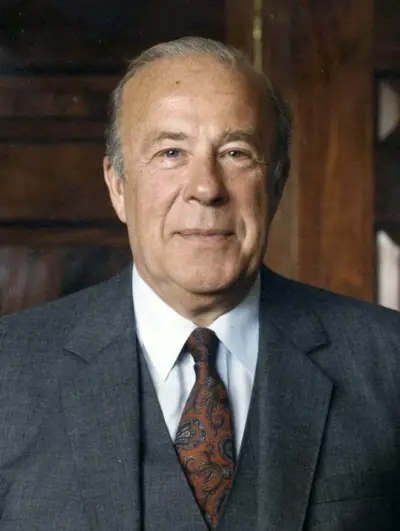
George Pratt Shultz was an American economist, diplomat, and businessman. He served in various positions under three different Republican presidents and is one of only two people to have held four different Cabinet-level posts. Shultz played a major role in shaping the foreign policy of the Ronald Reagan administration. From 1974 to 1982, he was an executive of the Bechtel Group, an engineering and services company. In the 2010s, Shultz was a prominent figure in the scandal of the biotech firm Theranos, continuing to support it as a board member in the face of mounting evidence of fraud.
