Francis Schaeffer Quotes
If man is not made in the image of God, nothing then stands in the way of inhumanity. There is no good reason why mankind should be perceived as special. Human life is cheapened. We can see this in many of the major issues being debated in our society today.
Schaeffer, Francis A., and C. Everett Koop. Whatever Happened to the Human Race? Fleming H. Revell, 1979, p. 25.


This is a classic example of a legislator, concerned about the ethics and morality of certain types of scientific experiments, and not understanding the scientific meaning of the terms used, would also make illegal existing and important technologies and cures. In this case, he thinks of cloning as reproducing another exact human being, but we clone human cells every day to produce many of the beneficial medicines we use commonly. And the combination of animals and humans is common in many aspects of modern medicine. For burns the tissue of pigs is used to cover the wound and act as a scaffold on which human skin cells grow. There are millions of people in America and the rest of the world who are leading a normal life with a pig or a cow heart valve. There are ethical problems to be sure but most legislators have little clue as to what they are, and tend to want to outlaw whole areas of science out of their ignorance in in reaction to public pressure from others who do not understand what it is that they want to prohibit.


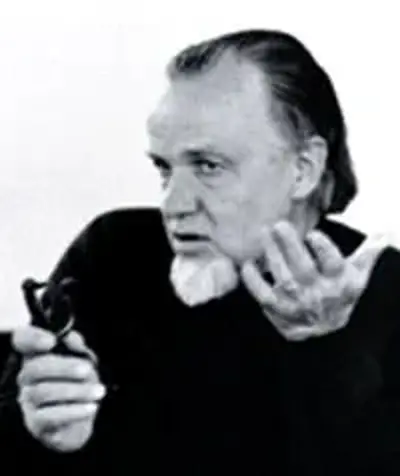
Francis August Schaeffer (January 30, 1912 – May 15, 1984) was an American evangelical theologian, philosopher, and Presbyterian pastor. He is best known for co-founding the L'Abri community in Switzerland with his wife Edith Schaeffer, née Seville. Opposed to theological modernism, Schaeffer promoted a more historic Protestant faith and a presuppositional approach to Christian apologetics, which he believed would answer the questions of the age.
