Yahya Jammeh Quotes
If I want to ban any newspaper, I will, with good reason.
"Gambia Leader Defends Media Laws." BBC News, 3 Aug. 2004.


The Masses was a left wing publication which the then Post Office officials decided were “dangerous”. Later, the Supreme Court would hold that there could not be this degree of political censorship by Post Office officials.


Arguing against explicit guarantees of press freedom in the Constitution Hamilton felt that the freedom could be maintained by public opinion and the good will of government:

They were protesting the arrest and imprisonment of a Blogger whose Internet views on Islamic history were deemed “holding religion in contempt” a crime in Egypt as it is in most Islamic Countries. See {585059}. The call for action by the United Nations was based on the fact that all member states of the UN have guaranteed to provide basic freedoms including the freedom of religion and the freedom of speech. However many Islamic nations have filed an “understanding: with the United Stations that are unknown to most people that says that nothing is required that would be against Sharia—Islamic Law which does provide the death penalty for heresy.


Twenty year prison sentences were imposed for publishing left wing Bolshevik literature. The case was appealed to the Supreme Court:


The evils of the time were even worse than in modern times. Most newspapers, journals, and periodicals were in 1835 actually owned and operated by political parties or people totally identified with political parties. In modern times, there are publications and blogs which are controlled by political forces, but most are not.


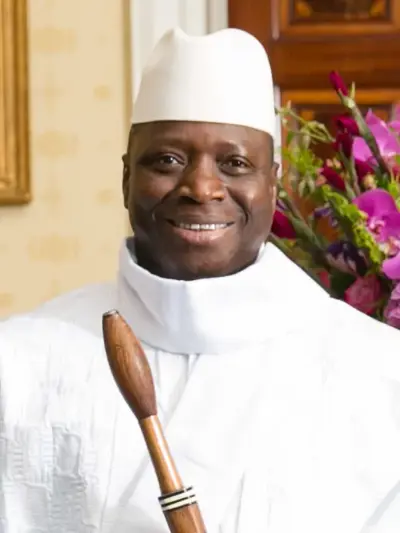
Yahya Abdul-Aziz Jemus Junkung Jammeh is a Gambian politician and former military officer who was the leader of The Gambia from 1994 to 2017, firstly as chairman of the Armed Forces Provisional Ruling Council (AFPRC) from 1994 to 1996 and then as President of the Gambia from 1996 to 2017.
