Kevin Warsh Quotes
I would say [Fed policy] has been in some sense Reverse Robin Hood.
Warsh, Kevin. Interview by Joe Kernen. Squawk Box, CNBC, 14 Oct. 2015.


This quotation is a wonderful example of the use of sarcasm. Schwartz does not really advocate the emigration of the super rich, but uses the hypothetical concept to illustrate that one solution to a socio-economic problem will work but have very undesirable consequences.

The tax rates on income from working is much higher than on income generated from money which is invested. The reason for this is that the government wants economic growth and lowering the tax rate on investment profits will produce more investment which theoretically creates more jobs and strengthens the economy. However, most workers have no choice about whether they have to work. Lowering their tax rate will not induce them to work more. This not only produces a patently unfair burden on the worker compared to people who have capital to invest—usually among the wealthiest Americans. Another problem is that there are many forms of investment that does not produce any benefit for the United States. Many people invest in overseas banks, non American companies. These we tax at a low rate and all the benefits of the investment go to the foreign country.


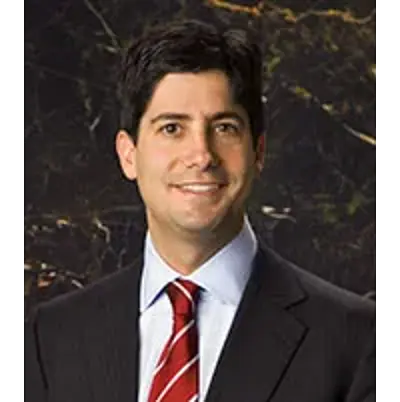
Kevin Maxwell Warsh, is an American academic, financier, and former government official. During and in the aftermath of the 2008 financial crisis, Warsh was a governor of the Federal Reserve System, and acted as the central bank's primary liaison to Wall Street and served as the Federal Reserve's representative to the Group of Twenty (G-20) and as the Board's emissary to the emerging and advanced economies in Asia. Prior, Warsh served as Special Assistant to the President for Economic Policy and Executive Secretary of the White House National Economic Council. He is the Shepard Family Distinguished Visiting Fellow in Economics at Stanford University's Hoover Institution, a scholar and lecturer at the Stanford Graduate School of Business, a member of the Group of Thirty, a member of the Panel of Economic Advisers of the Congressional Budget Office, and a former steering committee member of the Bilderberg Group. He has conducted research in the field of economics and finance, and has advised several private and public companies.
