Jose Saramago Quotes
I was born in a family of landless peasants, in Azinhaga, a small village in the province of Ribatejo, on the right bank of the Almonda River, around a hundred kilometres north-east of Lisbon.
Saramago, José. "José Saramago - Biographical." Les Prix Nobel 1998, edited by Tore Frängsmyr, Nobel Foundation, 1999.


This was written by a French Journalist who had been assigned to America for 7 years when he wrote this in 1939.


The Founding Fathers and the educated were well aware of European History and feudalism, however most early Americans were aware of their “rights” as Englishmen although they had little detailed knowledge of history. This Tocqueville thought positive as for the majority of early Americans, the American way was the right way and was an improvement in where they had immigrated from. As immigrants came from Ireland, Russia, Scotland and other European nations where they were peasants, they were met by and were drawn to a society which knew little of peasants.

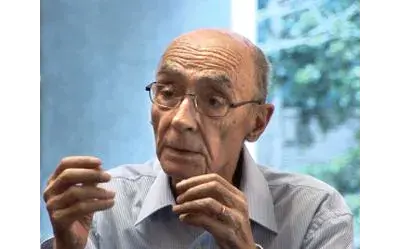
José de Sousa Saramago, GColSE, was a Portuguese writer and recipient of the 1998 Nobel Prize in Literature. His works, some of which can be seen as allegories, commonly present subversive perspectives on historic events, emphasizing the theopoetic human factor. In 2003 Harold Bloom described Saramago as "the most gifted novelist alive in the world today" and in 2010 said he considers Saramago to be "a permanent part of the Western canon", while James Wood praises "the distinctive tone to his fiction because he narrates his novels as if he were someone both wise and ignorant." Bloom and Saramago met when Saramago presented Bloom with an honorary degree from the University of Coimbra; according to Bloom: "A warm acquaintanceship ensued, marked by an exegetical disagreement concerning The Gospel According to Jesus Christ, which continued in correspondence and at a later meeting in New York City".
