James Woods Quotes
I think that the economy, and the political system, has literally become such a disaster I don't know if it's possible to save it.


In a capitalistic system, if a company is very successful, it drives its competitors out of business and this leads to monopoly in that field which kills capitalism which depends on competition.


A reporter asked the congressman for his reaction to the defeat of a beef price control amendment he had offered:. The reporter explained that he couldn't print that since his was a family newspaper.


He was responding to the Democratic Slogan, “You never had it so good.” Over 50 years later the Democrats would be lamenting the Republican administration of George W. Bush for the huge debt and the fighting of the war in Iraq. This quotation is an excellent illustration of the fact that the two American political parties “flip-flop” positions over time to accommodate whether they are governing or in opposition. By 2005, the Republicans were in support of high deficits as they had produced the largest debt in American History. In the 1950s, Republican doctrine was to condemn all government deficits. And Republicans were the party of peace and the democrats were more aggressive in foreign policy. 50 years later, it was the Democrats calling for an end to the fighting (Iraq) and the Republicans supporting the war. Over the same period, the other two issues, taxes and inflation are still republican issues.


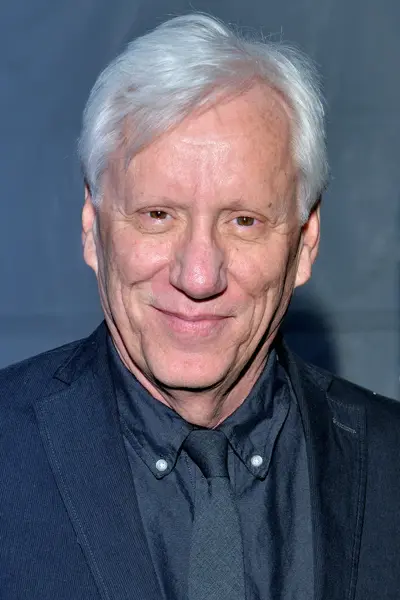
James Howard Woods is an American actor and producer who is known for his work in theater, television, and film. He started his career in minor roles on and off-Broadway. In 1972 he appeared in The Trial of the Catonsville Nine alongside Sam Waterston and Michael Moriarty on Broadway. In 1972 he won the Theatre World Award for his performance in Moonchildren. In 1978, Woods made his television breakthrough alongside Meryl Streep playing her husband in the critically acclaimed four-part miniseries Holocaust. The series went on to receive the Primetime Emmy Award for Outstanding Limited Series. In 1972, Woods made his film debut in Elia Kazan's The Visitors and continued to act on film in supporting roles in Sydney Pollack's The Way We Were (1973), and Arthur Penn's Night Moves (1975).
