Bruce Catton Quotes
I think I was always subconsciously driven by an attempt to restate that faith and to show where it was properly grounded, how it grew out of what a great many young men on both sides felt and believed and were brave enough to do.
Catton, Bruce. Waiting for the Morning Train: An American Boyhood. Doubleday, 1972.


Ataturk had been a military hero, but was very much opposed to war and military adventurism not unlike the Dwight Eisenhower and Colin Powell type leaders. However, the one thing that he thought worth the sacrifice of his own and other Turkish lives was Turkish independence and sovereignty. Historically, the Ottoman Empire which Ataturk finally ended, had dominated half of Europe and all of the Mid East at the cost of sovereignty of other nations and Ataturk saw no more important virtue with dying for than national sovereignty. See {125322} and {584501}.


The poem was written for and inscribed upon a monument. The Atheists in Foxholes Monument was donated to Alabama Freethought Association, Inc. by the Freedom From Religion Foundation. It is located adjacent to the Willa Mae Whatley Auditorium, in Fearn Park at Lake Hypatia, Alabama.


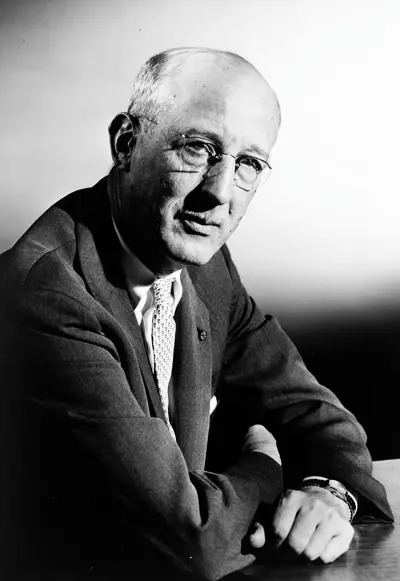
Charles Bruce Catton was an American historian and journalist, known best for his books concerning the American Civil War. Known as a narrative historian, Catton specialized in popular history, featuring interesting characters and historical vignettes, in addition to the basic facts, dates, and analyses. His books were researched well and included footnotes. He won a Pulitzer Prize during 1954 for A Stillness at Appomattox, his study of the final campaign of the war in Virginia.
