Jimmy Carter Quotes
I think all Americans believe in human rights. And health is an often overlooked aspect of basic human rights. And it's one that's easily corrected. The reason I say that is that many of the diseases that we treat around the world, I knew when I was a child. My mother was a registered nurse. And they no longer exist in our country.
Carter, Jimmy. Beyond the White House: Waging Peace, Fighting Disease, Building Hope. Simon & Schuster, 2007.


His and his wife's foundation - the Gates Foundation -- provides more money to address this problem than any nation does.


There were many countries whose laws proclaimed that health care was a right but could not deliver the health care to many of its citizens. However, every developed country except the United States considered health care a right and delivered health care to its people. The large majority of U. S. citizens received good health care but not as a right.


The "right to life, liberty, and the persuit of happiness" to Sanders an many others implies a right to Healh Care in that life depends on health care in many cases and it is hard to persue happiness is one is not sufficiently healthy. Others argue that there is no explicit mention of Health Care per se in the Constitution as originally written or in the Bill of Rights or subsequent amendments.


A century later, we had in the United States exactly what Biggs told everyone was possible with a Public Health investment. Average lifespan had increased by over a decade. Many Americans work into their 70s and 80s. And with modern drugs pain and suffering has been vastly reduced. In retrospect, .
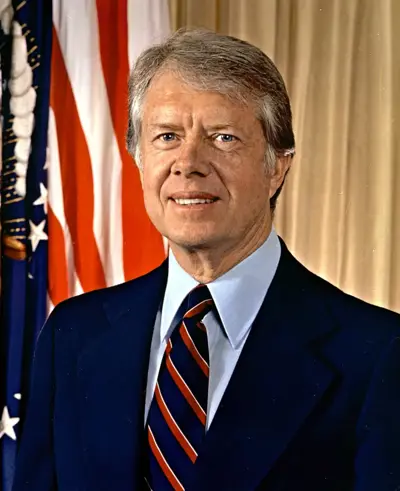
James Earl Carter Jr. is an American politician, businessman, and philanthropist who served as the 39th president of the United States from 1977 to 1981. A member of the Democratic Party, he previously served as a Georgia State Senator from 1963 to 1967 and as the 76th governor of Georgia from 1971 to 1975. Since leaving the presidency, Carter has remained engaged in political and social projects as a private citizen. In 2002, he was awarded the Nobel Peace Prize for his work in co-founding the Carter Center.
