Walter Crane Quotes
I never saw anything more like real warfare in my life - only the attack was all on one side. The police, in spite of their numbers, apparently thought they could not cope with the crowd.
Crane, Walter. An Artist's Reminiscences. Methuen & Co., 1907, p. 266.


Reformers attempted to serve a New York Supreme Court writ on McKane to prohibit him from continuing corrupt election fraud practices.

The Police Commissioner had earlier given the green light to the police to use their clubs brutally and indiscriminately {626665} and afterwards made a statement that has been quoted ever since as he justified violating the Constitution because of their political views—see {626664}.


Burke was referring to the American Colonists in the midst of the American Revolution.

The State Police then attacked the demonstrators with night sticks, bull whips and tear gas. The demonstrators were trying to cross the bridge to Montgomery. There was no legal Constitutional way that the marchers could be stopped, but the Alabama State Police then constantly violated the law.

J. Edgar Hoover, the racist FBI Director, and the Chief of Police of the all white Washington DC Police Force, had made phone calls and sent memos to as many important people they could reach, warning that there was bound to be violence if 100,00 militant Blacks tried to march on Washington. There were twice that number planned for by Bayard Rustin, the man in charge of the March planning, but 250,000 showed up. There were very few incidents and no injuries and deaths as a result of some brilliant planning by Rustin and the cooperation of Attorney General Robert F. Kennedy—the President’s brother—with Rustin. However, the fear spread by Hoover and others caused the major league baseball games to be cancelled, liquor stores to be closed, stores and offices throughout the city were intimidated and closed. But it was one of the best organized and peaceful social/political demonstrations in history.

Two protesters were killed. The demonstration so affected the government that they pressured the Belfast local authorities to announce substantial increases in relief. The economy and the employment picture got no better that year.


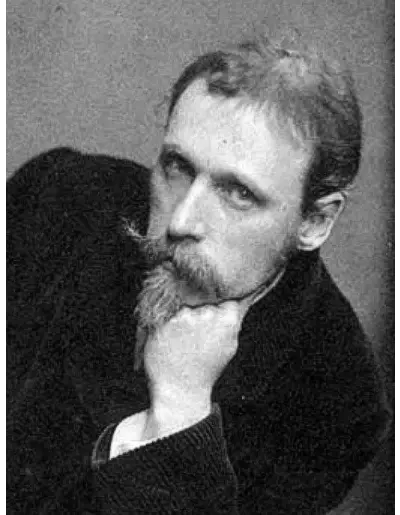
Walter Crane was a British artist and book illustrator. He is considered to be the most influential, and among the most prolific, children's book creators of his generation and, along with Randolph Caldecott and Kate Greenaway, one of the strongest contributors to the child's nursery motif that the genre of English children's illustrated literature would exhibit in its developmental stages in the later 19th century.
