Edward Snowden Quotes
I never chose to be in Russia, and I would prefer to be in my own country, but if I can't make it home, I will continue to work very much in the same way that I have... What happens to me is not as important; I simply serve as the mechanism of disclosure.
Williams, Brian. "Edward Snowden: The Interview." NBC News, NBCUniversal, 28 May 2014.


See John F. Kennedy's famous 1961 inaugural quote {589867} for a more modern articulation targeted at all. The above quotation is from the Anthony R. Ferris translation of 1958. In an interesting play of influences, note the following Andrew Dib Sherfan’s 1975 translation done after the Kennedy inaugural address.


Theodore Roosevelt had just been nominated as Vice President and the Republicans were almost certain to win the general election. The Chairman was alsays very distressed by Roosevelt. The New York conservative Republicans leaders had pushed him out of the Governorship by getting him nominated as VP as NY business leaders were fearful of TR’s business reform ideas. Hanna worried that if TR ever reached a position of power, he would alienate business from the national Republican party. When McKinley was assassinated, Hanna’s worst fears were realized. See his reaction {585078}


This quotation gives us a concept of the WWII home front effort where virtually everyone in American society was personally involved on a daily basis in the war. See also {637440}. This was so dramatically different from the home fronts for the wars in Afghanistan and Iraq where most of the American public had no direct contact with the war effort and was not called upon or even needed to do anything.


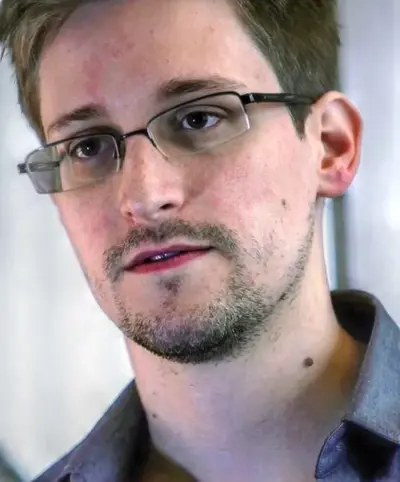
Edward Joseph Snowden is a former computer intelligence consultant who copied and leaked highly classified information from the National Security Agency (NSA) in 2013 when he was a Central Intelligence Agency (CIA) employee and subcontractor. His disclosures revealed numerous global surveillance programs, many run by the NSA and the Five Eyes Intelligence Alliance with the cooperation of telecommunication companies and European governments, and prompted a cultural discussion about national security and individual privacy.
