Elie Ducommun Quotes
I leave to the militarists the difficult task of trying to explain to us how these wars have served to shape character or to promote the progress of civilization or to achieve the reign of justice on earth. So far, they have not come forward with the explanation.
Ducommun, Élie. "The Futility of War Demonstrated by History." Nobel Lectures, Peace 1901-1970, edited by Frederick W. Haberman, Elsevier Publishing Company, 1972.


At that time there were extensive meetings and discussions for the creation of what was to be the United Nations. The negative view of the United Nations or other international security organization is now and always has been held by a vocal minority in the United States.


Theodore Roosevelt was the Presidential nominee. Johnson was a leader of some members of Congress some of whom were extreme isolationists and some of whom were Nazi sympathizers and Hitler admirers. When the Japanese attacked Pearl Harbor later that year, Germany, fulfilling its treaty with Japan, declared war on America, Johnson’s group no longer mattered. Before WWII most Republicans were opposed to Defense Spending and accused the Democrats of being war hawks. After WWII, they flip flopped and became more hawkish than the Democrats who they accused of being soft on defense for years thereafter. See {631380} for President Roosevelt’s different view.


Actually it was the United States which insisted in the veto which required consensus of the great powers of the time. It was Russia which ended up using it far more often than any other nation.
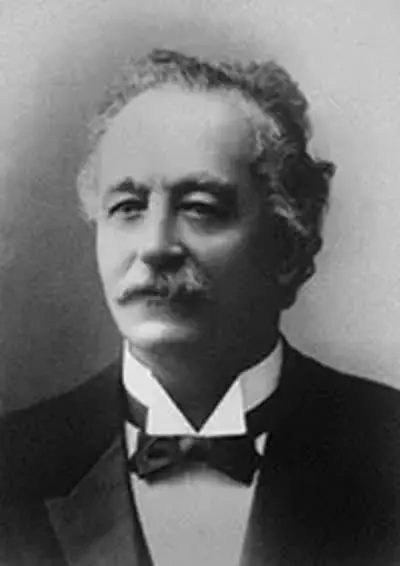
Élie Ducommun was a Swiss peace activist. He was a Nobel laureate, awarded the 1902 Nobel Peace Prize, which he shared with Charles Albert Gobat.
