Everett Dirksen Quotes
I have said, with respect to authorization bills, that I do not want the Congress or the country to commit fiscal suicide on the installment plan.
United States, Congress, Senate. Congressional Record. Government Printing Office, 1963.


Perry was one of a number of politicians who became opposed to deficit spending, and claimed that the public was not interested in the various projects. However, whenever any of these politicians proposed projects or programs to cut, there would be many citizens who would object vehemently. It was precicely because there was a constituency supporting all the government programs that politicians found it so hard to keep spending under control. Indeed, when others suggested terminating spending on programs and projects Perry liked, he objected as strenuously as most others.

1st Viscount Snowden


Although Reagan vetoed some spending that he disapproved of, he wanted so much spending on his favorite programs that he not only never brought the budget under control but his spending created the largest deficit in American history -- until George W. Bush squandered the Clinton surplus and exceeded Regan’s spending greatly and left President Obama with the greatest budget deficit in world history and a collapsing economy. Ironically, despite the fact that Reagan ran up huge deficits for the time, he always verbally advocated balanced budgets and many people in the country were persuaded by Reagan of the importance of balanced budgets. It was President Clinton who balanced the budget and eliminated the Reagan deficits.

Automated Teller Machine by which banks dispense cash.


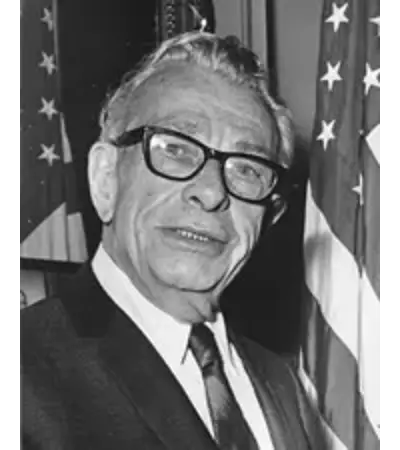
Everett McKinley Dirksen was an American politician. A member of the Republican Party, he represented Illinois in the United States House of Representatives and the United States Senate. As Senate Minority Leader from 1959 to 1969, he played a highly visible and key role in the politics of the 1960s. He helped write and pass the Civil Rights Act of 1964 and the Civil Rights Act of 1968, both landmark pieces of legislation during the civil rights movement. He was also one of the Senate's strongest supporters of the Vietnam War. A talented orator with a florid style and a notably rich baritone voice, his flamboyant speeches caused his detractors to refer to him as "The Wizard of Ooze".
