Frederick Douglass Quotes
I have often wished myself a beast. I preferred the condition of the meanest reptile to my own. Any thing, no matter what, to get rid of thinking! It was this everlasting thinking of my condition that tormented me. There was no getting rid of it. It was pressed upon me by every object within sight or hearing, animate or inanimate.
Douglass, Frederick. Narrative of the Life of Frederick Douglass, an American Slave. Anti-Slavery Office, 1845, p. 45.


At that time in American History, the George W. Bush Justice Department had a small team of lawyers who wrote a legal brief that defined torture in such a way that many of the most common forms of torture were no longer legal torture, even though they had been torture in American law and were again torture after this embarrassing episode of American history. The renamed techniques were called “enhanced interrogation” and a few terrorist suspects were subjected to it before the rules and laws were changed and the “legal opinions” nullified. The FBI and military intelligence did not use the so called enhanced interrogation techniques as they felt that torture produced unreliable intelligence as the victim will say anything the questioner wants to hear to end the torture. They also thought the Justice department memo was sloppy and defective legal work. Senator McCain was a particular expert on torture in that he had, during the Vietnam War, been captured and imprisoned for 7 years during which he had been tortured on several occasions.


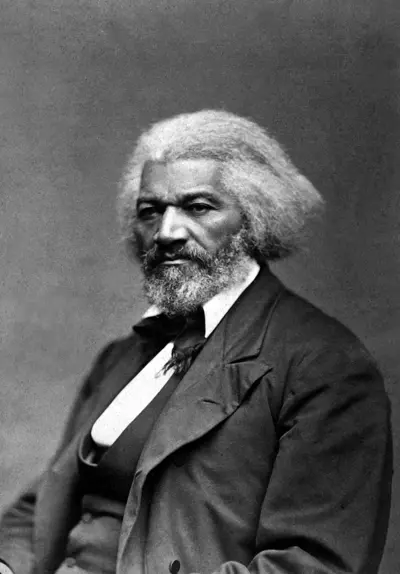
Frederick Douglass was an American social reformer, abolitionist, orator, writer, and statesman. After escaping from slavery in Maryland, he became a national leader of the abolitionist movement in Massachusetts and New York, becoming famous for his oratory and incisive antislavery writings. Accordingly, he was described by abolitionists in his time as a living counterexample to slaveholders' arguments that slaves lacked the intellectual capacity to function as independent American citizens. Likewise, Northerners at the time found it hard to believe that such a great orator had once been a slave.
