Woodrow Wilson Quotes
I have long enjoyed the friendship and companionship of Republicans because I am by instinct a teacher, and I would like to teach them something.
Wilson, Woodrow. Addresses of President Wilson on His Western Tour, September 4 to September 25, 1919. Government Printing Office, 1919, p. 5.


In 2011 nd 2012 a right wing extremist group—the Tea Party-were able to intimidate the Republican Congressional leadership to take the extreme partisan view that why would allow no significant legislation to pass as it might strengthen Democrat president Obama’s chances of getting reelected. Therefore there was to be no cooperation or even negotiations with the Democrats in Congress. Lugar a highly respected Republican Statesman, and expert on Foreign Affairs, followed his usual pattern of trying to develop legislation that would benefit the country. The Tea Party and some of the more partisan regular republicans then ran a candidate in the state primary election sending huge amounts of money to defeat Lugar who was a sure winner in the general election as he was very popular with all groups in Indiana ecept the right wing extremists, racists and fascists. Lugar never had the chance to win the election. He was defeated in the primary for working with Democrats.


While most talk show radio hosts in the political arena were highly partisan and not very polite about opinions contary to theirs and their major audience, Rehm was a real standout who not only was civil to all people regardless of view point but over her decades of broadcasting, always reminded her audience to also be so with suggestions like this classic.

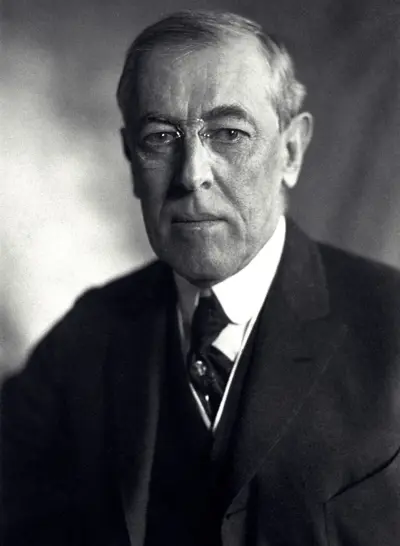
Thomas Woodrow Wilson was an American politician and academic who served as the 28th president of the United States from 1913 to 1921. A member of the Democratic Party, Wilson served as the president of Princeton University and as the 34th governor of New Jersey before winning the 1912 presidential election. As President, Wilson led the United States into World War I in 1917. He was the leading architect of the League of Nations, and his progressive stance on foreign policy came to be known as Wilsonianism. Scholars have generally ranked Wilson in the upper tier of U.S presidents, although he has been criticized for supporting racial segregation and white supremacy.
