Ezra Pound Quotes
I have always thought the suicide should bump off at least one swine before taking off for parts unknown.
Pound, Ezra. The Letters of Ezra Pound 1907-1941, edited by D. D. Paige, Harcourt, Brace and Company, 1950.


The Union government had resorted to printing Greenbacks {619940} to finance the war. However, that left two different U. S. currencies in circulation, and speculators soon began buying one and selling the other as the Greenback ‘market’ flourished or sank with the results of each battle. This caused substantial economic dislocation in the Northern Economy and was thought to be of great help to General Lee’s war effort. Lincoln had little charity toward the speculators.

Voltaire’s view is often cited by opponents of assisted suicide or “the right to die.” At the time, the right wing was oriented to let anyone do as they pleased and the left wing was trying to discourage things like suicide. Melancholy was the term for what we now recognize as the disease of depression.


A number of the American soldiers refused to obey Calley's illegal order. Some helped some villagers to escape, and a helicopter pilot landed betreen Callery's men and the villagers they were shooting at, and ordered his helicopter machine gun crew to fire on the soldiers if they did back off. The soldiers stopped firing at the civillians. However, his and other reports of the massacre were covered up by the military for a few years. Mai Lai was not the only major war crime perpetrated by Americans in the Vietnam War; there had been a few others. But given the years of fighting and the many opportunities war crimes violations under orders were quite rare. The Viet Cong had many more war crimes that they perpetrated, and our South Vietnamese allies repeatedly committed war crimes against their own people.


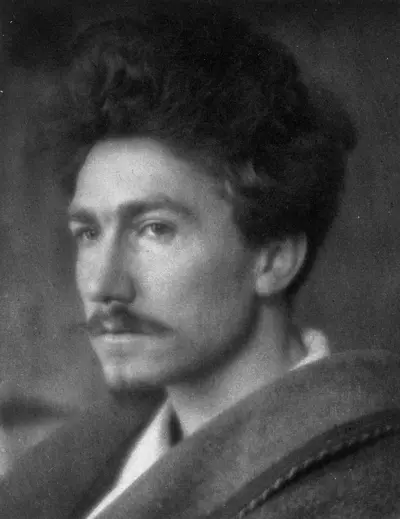
Ezra Weston Loomis Pound was an expatriate American poet and critic, a major figure in the early modernist poetry movement, and a fascist collaborator in Italy during World War II. His works include Ripostes (1912), Hugh Selwyn Mauberley (1920), and his 800-page epic poem, The Cantos (c. 1917–1962).
