Richard Benjamin Quotes
I had been hearing on-the-ground buzz that white folks were moving to places like Bend, Oregon, and Coeur d'Alene, Idaho, and St. George, Utah. That led me to discover through census data that these towns were already extremely white and they were becoming, in most cases, even whiter. Statistics could only tell me so much; in order to get to the spirit and essence of it, I had to immerse myself.
Benjamin, Rich. Searching for Whitopia: An Improbable Journey to the Heart of White America. Hyperion, 2009.


At the time there were two demographic changes taking place. In the developed countries there was a very large increase in the percentage of the population over the age of 65. In the less developed nations the proportions of young people was burgeoning.

Howard was one of the first people to recognize the migration from the country to the cities brought about by the Industrial Revolution and then suggest solutions. He advocated planned suburban communities that had some elements of the country, but allowed a density of people to function in an industrial economy. He called them “Garden Cities”. Forest Hills in New York and other American planned communities were much influenced by his thinking as were many other new communities since.


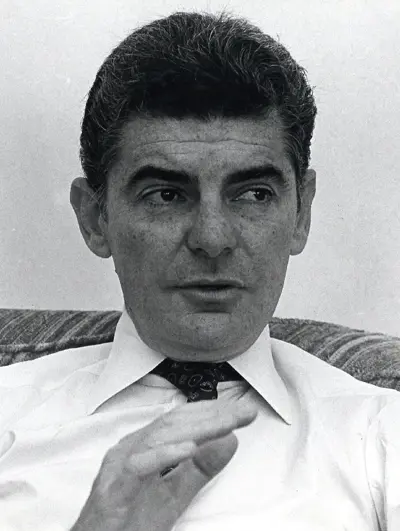
Richard Samuel Benjamin is an American actor and film director. He has starred in a number of well-known film productions, including Goodbye, Columbus (1969), based on the novella by Philip Roth; Catch-22 (1970), from the Joseph Heller best-seller; Westworld (1973), a science-fiction thriller by Michael Crichton; and The Sunshine Boys (1975), written by Neil Simon. After directing for television, his first film as director was the 1982 comedy My Favorite Year. His other films as director include City Heat (1984), starring Burt Reynolds and Clint Eastwood, The Money Pit (1986) with Tom Hanks, and Made in America (1993) with Whoopi Goldberg.
