George Eliot Quotes
I don't remember ever being see-saw, when I'd made my mind up that a thing was wrong. It takes the taste out o' my mouth for things, when I know I should have a heavy conscience after 'em. I've seen pretty clear, ever since I could cast up a sum, as you can never do what's wrong without breeding sin and trouble more than you can ever see. It's like a bit o' bad workmanship--you never see th' end o' the mischief it'll do. And it's a poor look-out to come into the world to make your fellow creatures worse off instead o' better.
Eliot, George. Adam Bede. William Blackwood and Sons, 1859.


The writer refused to answer the questions of a congressional investigating committee as to whether or not he had ever been a member of the Communist party:


Helms and his top executives had decided to withhold from the Warren Commission investigating the Kennedy assassination many of the material facts known to the CIA. The most dramatic was the fact that under Helms, the Central Intelligence Agency had hired organized crime figures to assassinate Fidel Castro, thus the Kennedy killing might have been a retaliation. This may seem shocking but the Central Intelligence Agency has been a problem ever since its inception. The agency frequently lied and withheld critical material of the President –see {634612}.


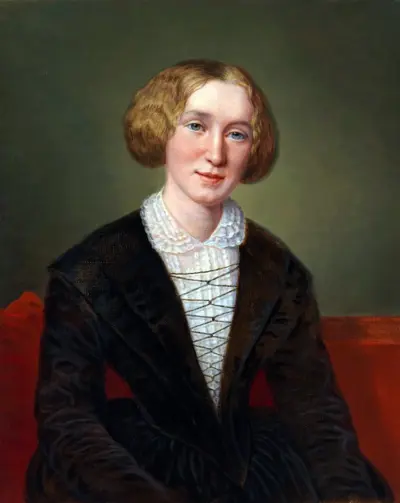
Mary Ann Evans, known by her pen name George Eliot, was an English novelist, poet, journalist, translator and one of the leading writers of the Victorian era. She wrote seven novels, Adam Bede (1859), The Mill on the Floss (1860), Silas Marner (1861), Romola (1862–63), Felix Holt, the Radical (1866), Middlemarch (1871–72) and Daniel Deronda (1876). Like Charles Dickens and Thomas Hardy, she emerged from provincial England and most of her works are set there. They are known for their realism, psychological insight, sense of place and detailed depiction of the countryside.
