Martin Luther King Jr. Quotes
I could never adjust to the separate waiting rooms, separate eating places, separate rest rooms, partly because the separate was always unequal, and partly because the very idea of separation did something to my sense of dignity and self-respect.
King, Martin Luther, Jr. Stride Toward Freedom: The Montgomery Story. Harper & Brothers, 1958, p. 20.


Senator Glen Taylor was arrested on May 1, 1948, in Birmingham, Alabama by police commissioner Eugene "Bull" Connor, for attempting to use a door reserved for African Americans, rather than the whites-only door, while attempting to attend a meeting of the Southern Negro Youth Congress. He was subsequently convicted of disorderly conduct. It is hard to believe that such a thing happened in America but it did. ER was one of the few Democrats to condemn such behavior. She took a great deal of criticism from the Southern Democrats for this column. They claimed she called White Southerners “Stupid.”

[This was the first Abolition appeal written by a Black Man. It was published in Boston and despite the fact that it was very critical of whites, was very popular going through two more printings within the next two years.]

Justice Marshall, in he early career played an extremely important role in the development of the law vis a vis race and discrimination in America. He went from town to town in the Jim Crow, segregated South filing and often winning civil rights lawsuits. This was an era where lynching was still prevalent, and he was often threatened with bodily harm or death. Justice Ginsberg who also had been a leader in filing and winning civil rights suits but she worked in the area of women’s rights. The host had stated that she and Marshall were the great legal pioneers in civil rights litigation. Ginsberg explained that she hers was a much easier role and Marshall should receive much more credit. This was her reason.


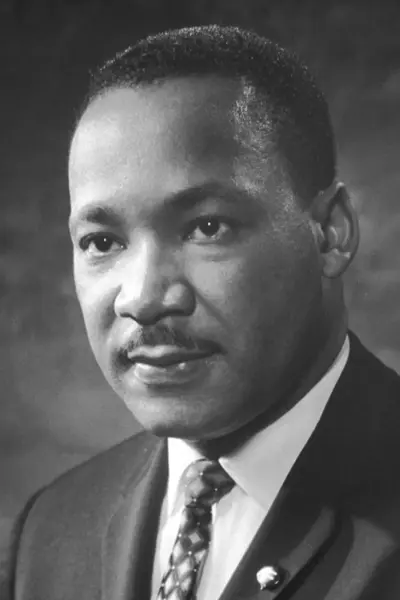
Martin Luther King Jr. was an African American Baptist minister and activist who became the most visible spokesperson and leader in the American civil rights movement from 1955 until his assassination in 1968. King advanced civil rights through nonviolence and civil disobedience, inspired by his Christian beliefs and the nonviolent activism of Mahatma Gandhi. He was the son of early civil rights activist Martin Luther King Sr.
