William Cobbett Quotes
I cannot... perceive any ground for hoping that any practical good would, while the funding system exists in its present extent, result from the adoption of any of those projects, which have professed to have in view what is called Parliamentary Reform... when the funding system, from whatever cause, shall cease to operate upon civil and political liberty, there will be no need of projects for parliamentary reform. The parliament will, as far as shall be necessary, then reform itself.
Cobbett, William. Paper Against Gold and Glory Against Prosperity. J. M'Creery, 1815, p. 11.


The Prime Minister and his Tory Party was calling for Senate Reform


This was the group that decided who was to be executed in the Reign of Terror

The arbitrary tax that Britain had imposed in tea in America was protested, not only in Boston. This meeting and its report was held the day before the Boston Tea Party. There was concern and distress in many parts of the colonies.

The fact that public opinion was initially against the reform measures, he regarded as an opportunity to change their minds. That took time and In 1832, the reform bill was passed.

This is the reason that it is so hard to reform Congress.


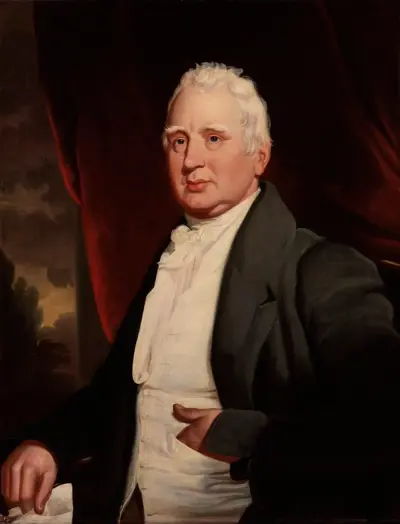
William Cobbett was an English pamphleteer, journalist, Member of Parliament and farmer born in Farnham, Surrey, one of a popular agrarian faction seeking to reform Parliament, abolish "rotten boroughs", restrain wanton foreign activity and increase wages, to promote domestic peace and ease poverty among farm labourers and smallholders. He backed lower taxes, saving, reversing enclosures of commons and resisting the gold standard of 1821. He sought an end to borough-mongers, sinecurists and "tax-eaters" (overpaid and corrupt bureaucrats, public servants and stockbrokers), and dismissed British Jews in a typecast by the same token. Early in life he was a soldier and devotee of king and country, but later pushed for a radicalism that helped to produce the Reform Act 1832 and gain him one of two seats in Parliament for the newly enfranchised borough of Oldham. He urged Catholic emancipation. He saw British agriculture and other economic output geographically. His polemics cover subjects from political reform to religion. His best known book is Rural Rides (1830, still in print). He argued against Malthusianism that economic betterment could support global population growth.
