Thomas Paine Quotes
I believe in the equality of man; and I believe that religious duties consist in doing justice, loving mercy, and endeavoring to make our fellow-creatures happy.
Paine, Thomas. The Age of Reason. Barrois, 1794, p. 4.


While Hoover was generally correct, he was also of the opinion that providing equal opportunity was all that the government needed to do. His lack of attention to other economic variables and potential problems made him totally unprepared for the Great Depression which would occur the following year and his narrow view of the role of government provided no relief or improvement as those of his successor FDR did.


This concept of equality was perhaps the most radical and attractive aspect of the new religion of Islam in the 7th century when most of the world was hierarchical and the vast majority of people were in the lower classes. So Islam was a step up for almost all at the time.


While this was a type of “Equal Rights Amendment”, It emphasized dignity rather than operations. For example, adultery was made a crime if committed by a woman (not for a man), And women could be dismissed from a job, simply because they were pregnant. And unusual aspect of this quotation is the fact that it applies to equality of dignity of Social status. In America we have this as an unwritten concept of fairness and egalitarianism, but it is not followed very much and certainly not guaranteed by our Constitution.


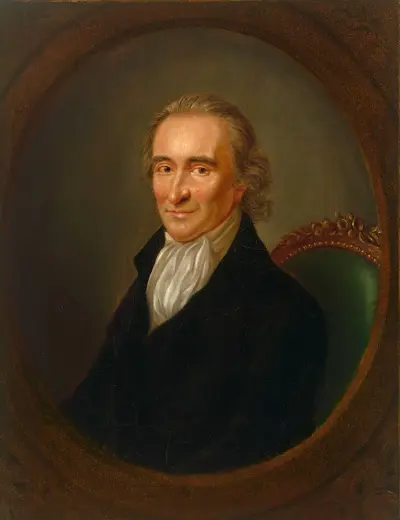
Thomas Paine was an English-born American political activist, philosopher, political theorist, and revolutionary. He authored Common Sense (1776) and The American Crisis (1776–1783), the two most influential pamphlets at the start of the American Revolution, and helped inspire the patriots in 1776 to declare independence from Great Britain. His ideas reflected Enlightenment-era ideals of transnational human rights. Historian Saul K. Padover described him as "a corsetmaker by trade, a journalist by profession, and a propagandist by inclination".
