George Cayley Quotes
I am well convinced that Aerial Navigation will form a most prominent feature in the progress of civilization
Cayley developed the first gliders and envisioned air travel at the same time that Thomas Jefferson was President.
George Cayley, 1773-1857, English Inventor, 1804, Quoted In Aeronautical and Miscellaneous Note-book (ca. 1799-1826): of Sir George Cayley
Sourced by: Eigen's Political and Historical Quotations

Ataturk quickly envisioned the importance of the airplane. He even sent is daughter to Russia to learn to fly a plane, and she became the first Turkish Military Officer to do so. This was typical of Ataturk—killing two or more reform “birds” with one stone. He not only brought the airplane into the Turkish consciousness by having his daughter fly which attracted great attention of the press and got people talking, but showed that women were capable of the most complex technological tasks. Before Ataturk, few women in Turkey ever did anything but parenting and homemaking. Ataturk gave Turkish women the vote before America adopted women’s suffrage.


Two years later he flew. That is how fast and dramatic the Wright Brothers work had gone. Once they got on the right track, everything began to fall into place. Two years earlier he had been optimistic. See {613170}.


He was trying to develop an airplane the decade before the Wright Brothers succeeded. However their work did not emerge out of thin air. They had read Chanute’s reports and credit him with a number of their ideas. Chanute, like the Wright Brothers and oither early air pioneers were optimists about the utility of the airplane as well as its feasibility.


His father, Henry Ford, did not agree that the Airplane would be so important, but the son’s vision made Ford the largest airplane manufacturer in America.

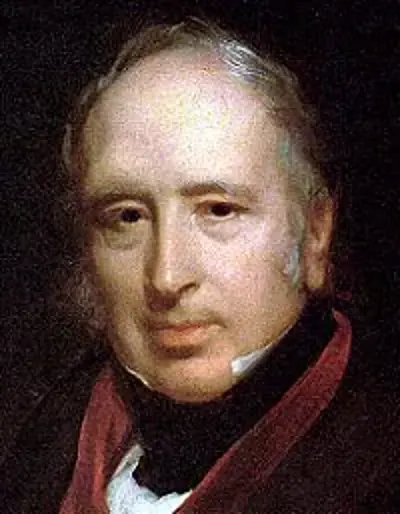
Sir George Cayley, 6th Baronet was an English engineer, inventor, and aviator. He is one of the most important people in the history of aeronautics. Many consider him to be the first true scientific aerial investigator and the first person to understand the underlying principles and forces of flight.
