Wilkie Collins Quotes
I am thinking,’ he remarked quietly, ’whether I shall add to the disorder in this room, by scattering your brains about the fireplace.
Collins, Wilkie. The Woman in White. Sampson Low, Son, & Co., 1860.


At the time John was a Boston attorney defending Samuel for radical activity.


Ellsworth was pleading for resolving the slavery issue then.

He stormed offstage leaving the other panelists shocked. This boorish behavior and other at a dignified world intellectual meeting shocked most participants, diplomats, and government officials who castigated Erdogan. However, he returned to large popular approving crowds of his religious Islamic base who thought his behavior heroic. One irony of the Arab-Israeli Conflict in the Middle East as that with 60 years of war, occupation and conflict, the winning and dominant Israelis have killed very few Arabs, especially when one compares the number with the Arabs who were killed by their coreligionists. The Jordanian Army killed 7000 Palestinians in a single week when the Palestinians tried to take over Jordan. The Syrians killed 20,000 and decades later killed over 100,000 of their own people in their internecine civil war. Sunnis have butchered Shiaas and vica versa for over 1000 years, and more Muslims have been the victims of Arab Terrorism than Jews. But in the killing of Arabs, the over 1000 years of Turkish Rule of the Middle East produced incredible butchery by the Turks, which even they exceeded in the Armenian Genocide of Christians in the early decades of the 20th century. The Turks however tend to deny these events were deliberate policy and action but claims the dead were collateral damage of legitimate war. But killers they were, and they currently have one of the best and strongest militaries of the world.


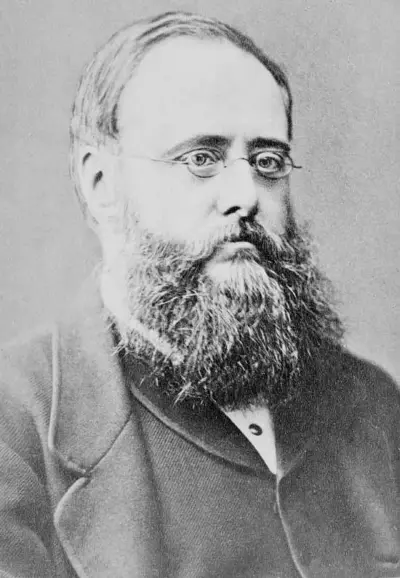
William Wilkie Collins was an English novelist and playwright known for The Woman in White (1859), and for The Moonstone (1868), which has been called the first modern English detective novel. Born to the London painter William Collins and his wife, the family moved to Italy when Collins was twelve, living there and in France for two years, which allowed the author to learn Italian and French. He worked initially as a tea merchant. After publishing Antonina, his first novel, in 1850, Collins met Charles Dickens, who became a friend and mentor. Some Collins works first appeared in Dickens's journals Household Words and All the Year Round. The two also collaborated on drama and fiction. Collins gained financial stability and an international following by the 1860s, but began to suffer from gout. He took opium for the pain, but became addicted to it. His health and his writing quality then declined in the 1870s and 1880s. Collins was critical of the institution of marriage: he split his time between widow Caroline Graves – living with her for most of his adult life, treating her daughter as his – and the younger Martha Rudd, by whom he had three children.
