Manal al-Sharif Quotes
I always say that countries that keep women in the backseat will always end up on the wrong side of history.
Al-Sharif, Manal. "A Saudi Woman Who Dared to Drive." TED, Jun. 2013.


This quotation illustrates the statement of a reform principle to appease international interests in basic human rights. This type of statement provides the “fig leaf” for the UN and other organizations to pretend that international standards of human rights are being maintained. Nasser did not implement this principle. By the beginning of the 21st century, Egypt was finally making some progress on women’s equality issues. The prohibition on female members of Parliament—{586723}—had been reversed but women were still not allowed to be judges in a criminal trial, laws against infant female circumcision, and other elements of female equality were still not in existence.


Jinnah was a modern Islamic reformer as this quotation demonstrates. Pakistan is not as backward as most of the Arab Islamic countries on the role of women. There are many Pakistani businesswomen and professionals. Pakistan has even had a female president. However, the fundamentalist Islamic forces that dominate the culture constantly preach and advocate the literal interpretation and following of Sharia which calls for a traditional, subservient traditional role for women; “honor killings” are common; “a rapist cannot be convicted on a female victims testimony; there are calls for the killing of adulteresses and other primitive throwbacks. Jinnah’s vision has not come to pass yet.


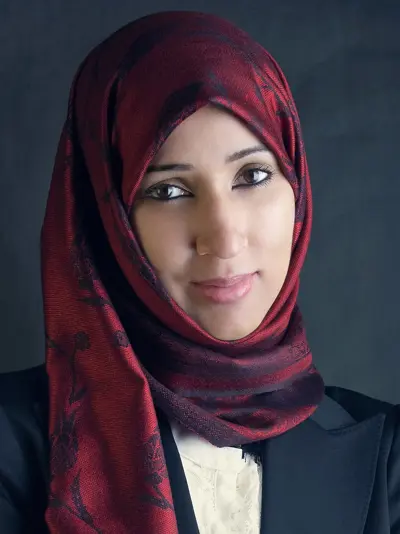
Manal al-Sharif (Arabic: منال الشريف; born 25 April 1979 is a Saudi women's rights activist who helped start a right to drive campaign in 2011. Wajeha al-Huwaider filmed al-Sharif driving a car as part of the campaign. The video was posted on YouTube and Facebook. Al-Sharif was detained on 21 May 2011, released, and then rearrested the following day. On 30 May, al-Sharif was released on bail, on the conditions of returning for questioning if requested, not driving, and not talking to the media. The New York Times and Associated Press associated the women's driving campaign as part of the Arab Spring and the long duration of al-Sharif's detention due to Saudi authorities' fear of protests.
