Jose Saramago Quotes
I always ask two questions: How many countries have military bases in the United States? And in how many countries does the United States not have military bases?
Saramago, José. "José Saramago." Interview by David Barsamian. The Progressive, vol. 68, no. 12, Dec. 2004, p. 38.


At the time our strongest allies in the Middle East were Monarchies, dictatorships, and Principalities. See {586706}


He was visiting the Middle East at the time of the interview.


He was not attributing this to any particular polices or the United States. The U. S. had the so large and was such a force on so many areas that most things the U. S. did would potentially affect every oither nation in the world. There was almost no situation in the world in which the U, S, position and extent of invlovement would not affect the countires involved. At the same time the rapidly accelerating technological change that is changine everything is being led by United States scientists, technologists, and corporations. So if technological change was destabilizing which it was in most societies including America's the United States was the driver. And then, the Presidential election victory of Donald Trump, who had a a stated practice being inconsistant on many things, of aggressivly looking for new ways of doing things in American politics (and had been an exemplar during the campaign), and a strong reluctance to have broad general policies that woild guide his policies and intentions. American politics was changing more than usual with both major political parties were going through major reinvntions and struggles to define themselves. The United States was, moreso than any other country, culturally used to rapid change througout the society and still thriving. But for most other cultures, these things all together could determine the perception of stability and the lac k thereof in most of the world. But even the methods of dealing with climate change which is a source of anxiety for most nations, realsitically depends on what the United States will do or not do and that lack of certainty or even liklihood to prediuct affects people the world over.


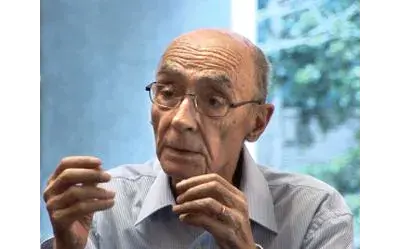
José de Sousa Saramago, GColSE, was a Portuguese writer and recipient of the 1998 Nobel Prize in Literature. His works, some of which can be seen as allegories, commonly present subversive perspectives on historic events, emphasizing the theopoetic human factor. In 2003 Harold Bloom described Saramago as "the most gifted novelist alive in the world today" and in 2010 said he considers Saramago to be "a permanent part of the Western canon", while James Wood praises "the distinctive tone to his fiction because he narrates his novels as if he were someone both wise and ignorant." Bloom and Saramago met when Saramago presented Bloom with an honorary degree from the University of Coimbra; according to Bloom: "A warm acquaintanceship ensued, marked by an exegetical disagreement concerning The Gospel According to Jesus Christ, which continued in correspondence and at a later meeting in New York City".
