Eric Hobsbawm Quotes
Human beings are not efficiently designed for a capitalist system of production.
Eric Hobsbawm, 1917-2012, British Historian, The Age of Extremes, 2004
Sourced by: Eigen's Political and Historical Quotations


In his economic view, managers, accountants, attorneys, owners, shareholders, landlords, were all supported by the workers who have to support themselves and all the others.


In 1902 there was a major coal strike in which Roosevelt pressured the coal operators to make concessions to labor. The abuses of some of the large monopolistic enterprises were turning large segments of America against capitalism. TR always believe that he saved capitalism from its own self destruction. The same has been felt about Franklin Delano Roosevelt who many believe saved American capitalism in the Great Depression.

Sinclair had written an expose of the meat packing industry – the Jungle – which used as its setting the Armour meat packing factory. It changed the way the public thought about the industry, the role of government and regulation. President Roosevelt took up the reform role, and got Congress to Regulate the quality and cleanliness of the meat packing industry. Sinclair, however not only wanted that reform, but also wanted the labor wages and conditions reformed. He referred to the Armour plant as the fortress.

In the reign of King Stephen of England, 1135-1154


She was writing about the textile mills of Manchester, England in the Industrial Revolution. Workers’ wages were so low that many of them could not feed themselves and their family decently

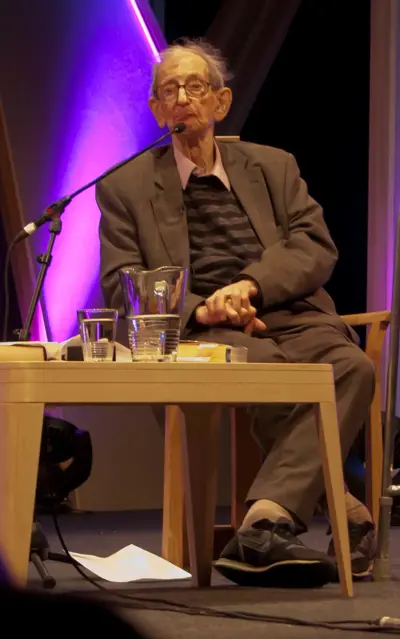
Eric John Ernest Hobsbawm CH FRSL FBA was a British historian of the rise of industrial capitalism, socialism and nationalism. A life-long Marxist, his socio-political convictions influenced the character of his work. His best-known works include his trilogy about what he called the "long 19th century" (The Age of Revolution: Europe 1789–1848, The Age of Capital: 1848–1875 and The Age of Empire: 1875–1914), The Age of Extremes on the short 20th century, and an edited volume that introduced the influential idea of "invented traditions".
