Frances Wright Quotes
How are men to be secured in any rights without instruction; how to be secured in the equal exercise of those rights without equality of instruction? By instruction understand me to mean knowledge - just knowledge; not talent, not genius, not inventive mental powers.
Wright, Frances. Course of Popular Lectures. Office of the Free Enquirer, 1829, p. 48.

This remarkable statement was written in about 1840 and there was probably then few people of either gender who would think such a thing possible.


As hard as it is for us to imagine today, while her husband was President of the United States, the First Lady wrote a nationally syndicated newspaper column every single day with politics frequently the subject. While she usually agreed with the President, there were occasions where they seemed to not see things exactly the same. She tended to be more liberal than he. However, there were those who believed that when she criticized politicians, it was with FDR’s knowledge and blessing and she sometimes did his “dirty work.” Eleanor Roosevelt was one of the most influential people in the country—certainly more-so than any First Lady before and since.


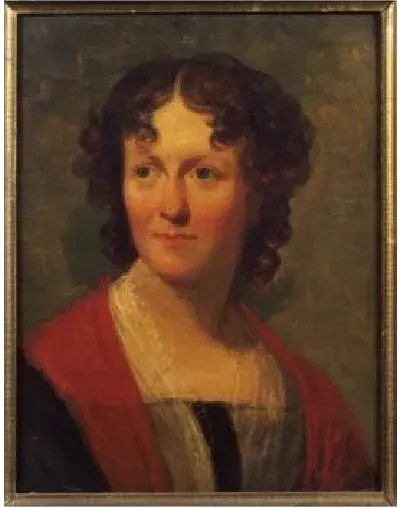
Frances Wright, widely known as Fanny Wright, was a Scottish-born lecturer, writer, freethinker, feminist, utopian socialist, abolitionist, social reformer, and Epicurean philosopher, who became a US citizen in 1825. The same year, she founded the Nashoba Commune in Tennessee, as a utopian community to demonstrate how to prepare slaves for eventual emancipation, but the project lasted only five years. In the late 1820s Wright was the first woman lecturer to speak publicly before gatherings of men and women in the United States about political and social-reform issues. She advocated universal education, the emancipation of slaves, birth control, equal rights, sexual freedom, legal rights for married women, and liberal divorce laws. Wright was also vocal in her opposition to organized religion and capital punishment. The clergy and the press harshly criticized Wright's radical views. Her public lectures in the United States led to the establishment of Fanny Wright societies and her association with the Working Men's Party, organized in New York City in 1829, became so strong that its opponents called the party's slate of candidates the Fanny Wright ticket.
