Max Hastings Quotes
Horse-and-Carriage diplomacy, like governance by crowned heads selected by accident of birth, proved wholly inadequate to address a crisis of the Electric Age.
Referring to the totally inadequate diplomatic communications in the political confusion and crises that led up to the First World War. None of the countries really wanted a large war, but the diplomatic communications were so bad that all operated on the assumption that the others were moving against them and they had to defend themselves or their treaty allies and there were very few opportunities to discern what other countries would do and all of Europe and much else of the world slipped out of control.
Max Hastings, British Historian & Writer, Catastrophe: Europe Goes To War 1914, 2013
Sourced by: Eigen's Political and Historical Quotations

The statement so offended the Lords—the highest court of England—that he was imprisoned by the Lords and not released until he had recanted the position. The argument goes on today in many countries incuding the United States.


The king's son, Prince Albert had dropped some papers and was instructed by the king to pick them up himself rather than allow the servants to do it.


5th Earl of Rosebery. At this point in history, America was growing rapidly, but had not yet become a dominant superpower. Rosebery was prescient enough to realize that although England was the great superpower of the time, the very conservative values were holding the nation back. He saw America as the model, even when England was still the dominant empire in the world.


Most of the communications technologies were not necessities but were conveniences which so changed society that they became necesseties years after they were ivented and first deployed.


Beaumarchais served the French King Louis XVI as a spy and advisor on foreign affairs. He was instrumental in influencing the French King and his government to tilt in favor of the American Revolutionaries. Beaumarchais’s reaction to the English was typical of European royalists who saw the political infighting and turmoil of a parliamentary government as frantic and destabilizing. Ironically, most Frenchman preferred it and that led to the French Revolution.


Cromwell was not opposed to monarchy per se as long as it was reasonably checked. He saw Charles II as a terrible monarch. After deposing Charles, he and his associates had to come up with some form of government. As “Lord Protector” he was a de facto monarch without the trappings.

Windsor was the Kings palace and the King felt that was all he really controlled.
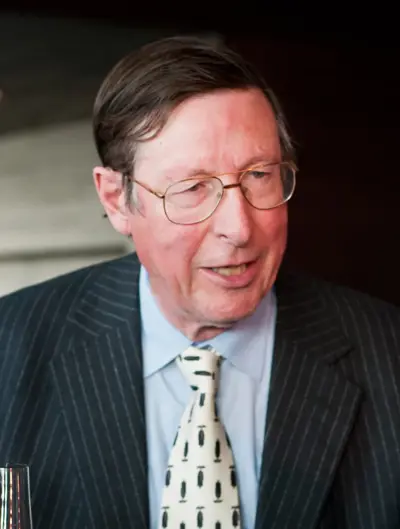
Sir Max Hugh Macdonald Hastings FRSL FRHistS is a British journalist and military historian, who has worked as a foreign correspondent for the BBC, editor-in-chief of The Daily Telegraph, and editor of the Evening Standard. He is also the author of numerous books, chiefly on defence matters, which have won several major awards. Hastings currently writes a bimonthly column for Bloomberg Opinion.
