B. R. Ambedkar Quotes
History shows that where ethics and economics come in conflict, victory is always with economics. Vested interests have never been known to have willingly divested themselves unless there was sufficient force to compel them.
Ambedkar, B. R. Annihilation of Caste. 1936. Dr. Babasaheb Ambedkar: Writings and Speeches, Vol. 1, Education Department, Government of Maharashtra, 1979, p. 73.


One of the contradictions of capitalism is that at many points in history capitalism has caused and/or contributed to great death and suffering. However, that same capitalism has led to the development of science, technology, agronomy, medicine and education which has saved and preserved millions of lives and raised the standard of living more than anything else.


This question has been used throughout history to determine the responsibility of men and nations as well as assess policies and legislation.


At the time many physicians believed that “bleeding” patients would contribute to their health. So bloodletting was then a standard medical treatment.


Salisbury was a brilliant, effective prime minister, but he was a snob and not a democrat. See {639131}.


This was the group that decided who was to be executed in the Reign of Terror


His father Cornelius, one of the great, creative industrialists of America, was not at all of the same mindset and saw corporations and the Railroads as having an important role in America with substantial obligations to the society which enabled the economic development and supported the railroads. He described his son as a “blockhead”. William goes down in American history as the arrogant industrialist and capitalist whose wealth was produced by his talent of being born to the right father who built the great empire.
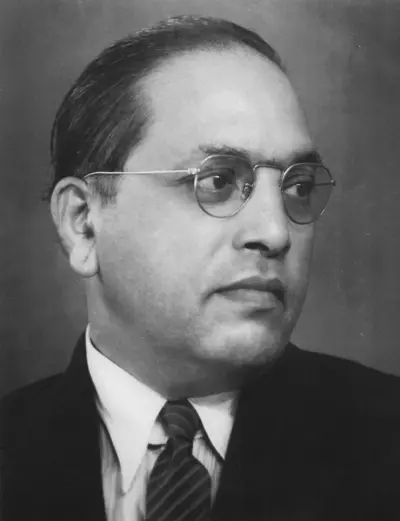
Bhimrao Ramji Ambedkar, also known as Babasaheb Ambedkar ([bʌbəsɑheb ɑmbɛdkɑə]), was an Indian jurist, economist, politician and social reformer, who inspired the Dalit Buddhist movement and campaigned against social discrimination towards the untouchables (Dalits). He was British India's Minister of Labour in Viceroy's Executive Council, Chairman of the Constituent Drafting committee, independent India's first Minister of Law and Justice, and considered the chief architect of the Constitution of India.
