Bruce Catton Quotes
Here was the greatest and most moving chapter in American history, a blending of meanness and greatness, an ending and a beginning. It came out of what men were, but it did not go as men had planned.
Catton, Bruce. The American Heritage Picture History of the Civil War. American Heritage Publishing Co., 1960.


At the time, the prevailing federal policy was to return fugitive slaves to their owners. Lincoln was intent on keeping Kentucky and Maryland, both slave states, in the union, even at the cost of returning fugitive slaves. Shortly after, he came up with the policy of always returning fugitive slaves except in the rebellious states of the confederacy where the slaves were legally defined as ‘contraband’—war material, and thus could be seized by Union forces. Many fugitive slaves were thus employed by the Union for construction projects. Later, the Emancipation Proclamation set the slaves of the Confederacy free.


Churchill saw the American Civil War as inevitable as it placed two huge forces in opposition. The moral force to eliminate slavery was up against the economic force of the entire Southern economy. The Southern slaves were worth more than all the factories, railroads, stores, real estate, farms and goods of the entire South. If slavery ended, the upper class Southerners would all be economically ruined. If slavery did not end, the United States would contain the most evil and immoral institution then known to the world.

Marx followed the American Civil War very closely. The freeing of the slaves caused an immediate social, moral and economic revolution, the results of which we live with today.


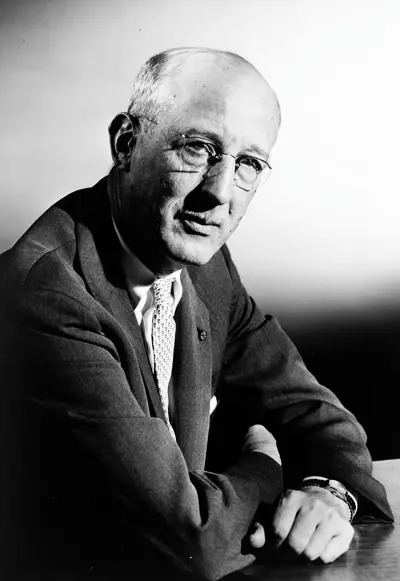
Charles Bruce Catton was an American historian and journalist, known best for his books concerning the American Civil War. Known as a narrative historian, Catton specialized in popular history, featuring interesting characters and historical vignettes, in addition to the basic facts, dates, and analyses. His books were researched well and included footnotes. He won a Pulitzer Prize during 1954 for A Stillness at Appomattox, his study of the final campaign of the war in Virginia.
