James F. Byrnes Quotes
German militarism and Nazism have devastated twice in our generation the lands of German neighbors.
Byrnes, James F. "Restatement of Policy on Germany." Department of State Bulletin, vol. 15, no. 376, 15 Sept. 1946, pp. 496-501.


Evelyn John St. Loo Strachey

When the Japanese attacked Pearl Harbor later that year, Germany, fulfilling its treaty with Japan, declared war on America, and we were at war.


Although a fervent Nazi, he detested Hitler. When Hitler consolidated power, one of the first things he did in 1934 was to order his guards to murder Strasser, just as Strasser had feared.

The Professor was explaining the explanation of the so-called “Frankfurt School” of WWII policy advisors Franz Neumann, Herbert Marcuse, and Otto Kirchheimer.


This new form of patriotism, this encouragement of pregnancy—even outside of marriage—was just too controversial. Himmler withdrew the order. It illustrates that even in a brutal dictatorship, public opinion can influence government.

Although Churchill, FDR, and a few other world leaders also recognized this reality, most people, even in America and Europe were not yet knowledgeable about the danger of Hitler and Nazi Germany. What is fascinating is that a theoretical scientists—one whose work had little to do with reality could be that perspicacious to identify major political trends. But Einstein was not only one of the world’s great scientific thinkers but he was a very sophisticated political and philosophical thinker.
Bavaria was also the center of support and the birth of Nazism and Hitler support to drive Germany into its WWII effort just as it was the locus of aggression and militarism in WWI.


The Russian troops had surrounded Berlin and were closing on the bunker. Hitler announced that he intended to commit suicide. 8 days later he did.

Helms was then a young agent of the Office of Strategic Services (OSS) in Berlin.


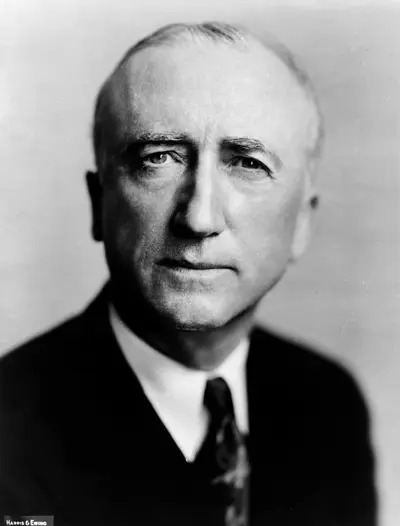
James Francis Byrnes was an American judge and politician from the state of South Carolina. A member of the Democratic Party, Byrnes served in Congress, the executive branch, and on the United States Supreme Court. He was also the 104th governor of South Carolina, making him one of the very few politicians to have served in the highest levels of all three branches of the American federal government while also being active in state government.
