Daniel O'Connell Quotes
Gentlemen, you may soon have the alternative to live as slaves or die as free men
Daniel O'Connell, 1775-1847, Irish Nationalist & Lord Mayor of Dublin, Member of British Parliament, Speech in Mallow, County Cork, Ireland
Sourced by: Eigen's Political and Historical Quotations

Franklin Delano Roosevelt used the phrase in his Third Inaugural Address {32529}. But the earliest expression that we have found is the Mexican leader Emiliano Zapata {46999} Franklin Delano Roosevelt later used the phrase in his Third Inaugural Address {32529}. But the earliest expression that we have found is the Mexican leader Emiliano Zapata {46999}. This was one of the great quotations to come out of the Spanish Revolution. It inspired freedom loving people the world over, then and through this day.


See Joseph Addison which may have been the inspiration for this famous quote: {613374}.


See also {612345} for a contemporary description of the Slavs.


Vreede wanted to create a Republic instantly. However some representatives of the old regime and affluent conservatives wanted the old laws and governmental structure less the monarch, William V. They argued that this would be temporary until the area was quiet and orderly unlike the passionate operations that was the result of the Dutch Revolution. To Vreede, delay was a trap (snare) to allow the aristocrats to reestablish their power and privileges.

This leading “conductor” of the Underground Railroad carried a loaded pistol which she brandished if escaping slaves would get discouraged and not follow instructions endangering the others or the organization itself. The Underground Railroad referred to the clandestine method that Tubman and other “conductors” would risk their own lives by going down South and guiding escaped slaves through a series of safe houses and locations “stations” until they reached Canada where slaves could not be legally recaptured.

The organization sent 2,100 volunteers to fight for South American independence from Spain.

St. Domingue was the name of Haiti which had had the only successful national slave revolt, but it was incredibly bloody with many casualties.


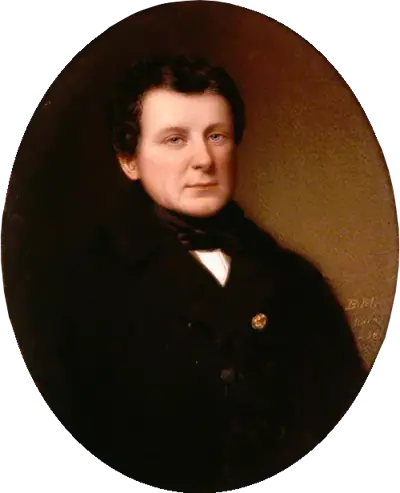
Daniel O'Connell, hailed in his time as The Liberator, was the acknowledged political leader of Ireland's Roman Catholic majority in the first half of the 19th century. His mobilisation of Catholic Ireland through to the poorest class of tenant farmer helped secure Catholic emancipation in 1829 and allowed him to take a seat in the United Kingdom Parliament to which he had twice been elected. At Westminster O'Connell championed liberal and reform causes (he was renowned internationally as an abolitionist) but failed in his declared objective for Ireland: the restoration of a separate Irish Parliament through repeal of the 1800 Acts of Union. Against the background of a growing agrarian crisis and, in his final years, of the Great Irish Famine, O'Connell contended with dissension at home. Criticism of his political compromises and system of patronage led to a split in the national movement he had singularly led.
