Willa Cather Quotes
Freedom so often means that one isn't needed anywhere.
Cather, Willa. My Mortal Enemy. Alfred A. Knopf, 1926, p. 32.


In the golden intellectual and science eras of Arabian Islam from 900-1300 individualism and independence of thought were much cherished virtues. In the 1100s, there began a period of theological and intellectual closing where the individual’s views were expected to conform to that of the then “proper” interpretation of the Koran and Islamic Dominance over all things. By the 1300s there were few Arab Muslims who would speak out for individual freedom of thought and rugged intellectual independence from the doctrine of the times. He was one of the few who advocated being back to the “old days” when Islam was far ahead of the intellectual thinking of the world. Few paid heed and Arab Islam has for the last 800 years been a shadow of its former intellectual achievements and has become a backward, stultified set of societies where one rarely finds an intellectual who does not depend on the community consensus and the values of the mullahs and muftis of the time rather than their own.
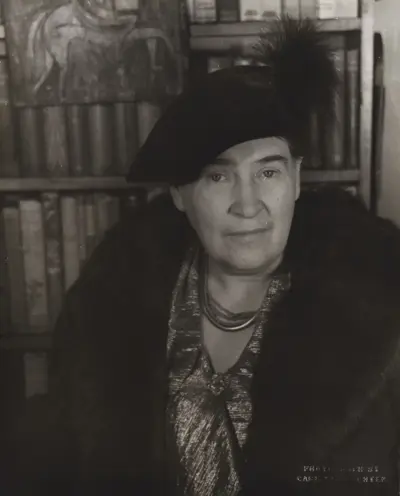
Willa Sibert Cather was an American writer known for her novels of life on the Great Plains, including O Pioneers!, The Song of the Lark, and My Ántonia. In 1923 she was awarded the Pulitzer Prize for One of Ours, a novel set during World War I.
