Aeschylus Quotes
For this our task hath Fate spun without fail to last for ever sure, that we on man weighed down with deeds of hate should follow till the earth his life immure. Nor when he dies can he boast of being truly free.
Aeschylus. The Eumenides. The House of Atreus. Translated by E. D. A. Morshead, Macmillan and Co., 1881, p. 165.


She was found guilty of treason because she had passed out leaflets criticizing the Nazi regime on a university campus. The non violent resistance tactics were so threatening to the Nazi German regime that Sophia and other members were executed by beheading as a particularly harsh example.

This leading “conductor” of the Underground Railroad carried a loaded pistol which she brandished if escaping slaves would get discouraged and not follow instructions endangering the others or the organization itself. The Underground Railroad referred to the clandestine method that Tubman and other “conductors” would risk their own lives by going down South and guiding escaped slaves through a series of safe houses and locations “stations” until they reached Canada where slaves could not be legally recaptured.


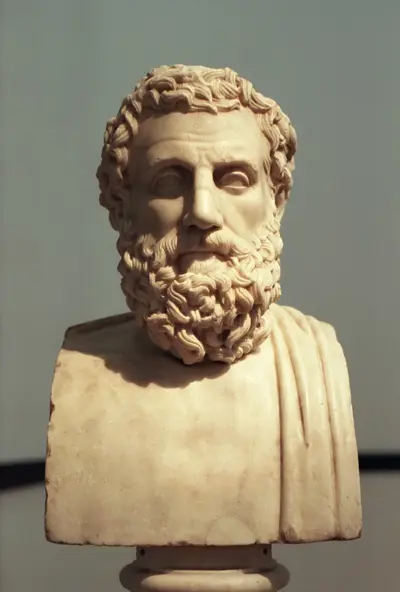
Aeschylus (UK: /ˈiːskɪləs/, US: /ˈɛskɪləs/; Greek: Αἰσχύλος Aiskhylos, pronounced [ai̯s.kʰý.los]; c. 525/524 – c. 456/455 BC) was an ancient Greek author of Greek tragedy, and is often described as the father of tragedy. Academics' knowledge of the genre begins with his work, and understanding of earlier Greek tragedy is largely based on inferences made from reading his surviving plays. According to Aristotle, he expanded the number of characters in the theatre and allowed conflict among them. Before this, characters interacted only with the chorus.
