Polybius Quotes
For the mob, habituated to feed at the expense of others, and to have its hopes of a livelihood in the property of its neighbors, as soon as it has got a leader sufficiently ambitious and daring, being excluded by poverty from the sweets of civil honors, produces a reign of mere violence.
Polybius. The Histories of Polybius. Translated by Evelyn S. Shuckburgh, vol. 1, Macmillan and Co., 1889, p. 463.


On higher taxes for wealthier classes:


In 1877 Wasburn was dropped from the List of Ministers by the Unitarian Church. He had become quite atheistic.


Ingersoll was considered to be the greatest orator and political thinker of his day, but his overt atheistic views curtailed his elected political career.


This novel won the Booker Prize—one of the great achievements in literature.
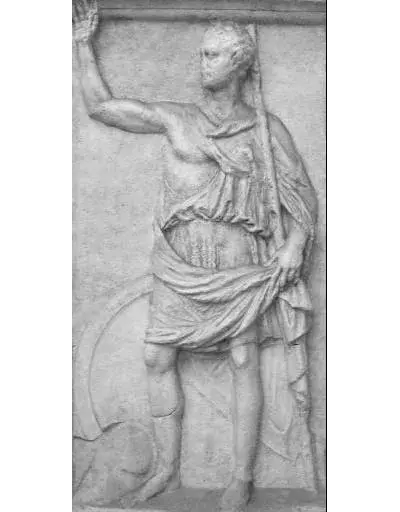
Polybius (/pəˈlɪbiəs/; Greek: Πολύβιος, Polýbios; c. 200 – c. 118 BC) was a Greek historian of the Hellenistic period noted for his work The Histories, which covered the period of 264–146 BC in detail. The work describes the rise of the Roman Republic to the status of dominance in the ancient Mediterranean world. It includes his eyewitness account of the Sack of Carthage and Corinth in 146 BC, and the Roman annexation of mainland Greece after the Achaean War.
