Aasif Mandvi Quotes
For my parents' generation, the idea was not that marriage was about some kind of idealized, romantic love; it was a partnership. It's about creating family; it's about creating offspring. Indian culture is essentially much more of a 'we' culture. It's a communal culture where you do what's best for the community - you procreate.
Mandvi, Aasif. Interview by Terry Gross. Fresh Air, NPR, 6 Nov. 2014.


Husbands like to take the credit for a wife’s virtues, but if there be any shortcomings the husband blames the woman’s family. Note that the woman is not perceived as capable of independent action other than that which is taught, controlled or mandated by wither a husband or father, brothers or other male relatives. This attitude tragically makes reform so very difficult in Arab cultures.

Some change took place, mostly among educated in the cities. There has been little change otherwise since his death.


Of course he did not oppose marriage when the parties were sterile or aged or could not otherwise bear children. The Amendment Failed.


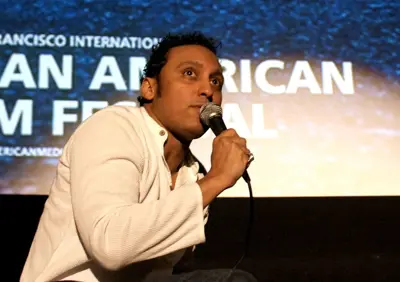
Aasif Hakim Mandviwala, known professionally as Aasif Mandvi (/ˈɑːsɪf ˈmɑːndvi/, AH-sif MAHND-vee), is a British-American actor and comedian of Indian descent. He began appearing as an occasional contributing correspondent on The Daily Show on August 9, 2006. On March 12, 2007, he was promoted to a regular correspondent. He is the lead actor, co-writer and producer of the web series Halal in the Family, which premiered on Funny or Die in 2015, and an actor, writer and co-producer of the HBO comedy series The Brink. Mandvi is also the author of the book No Land's Man. In June 2019, he was awarded an Honorary Doctor of Humane Letters Degree by the Macaulay Honors College after delivering the commencement speech that year. He currently appears in the role of Ben Shakir in the CBS psychological drama Evil written and created by Robert and Michelle King.
