Adlai Stevenson I Quotes
Every man has a right to be heard; but no man has the right to strangle democracy with a single set of vocal cords.
Adlai Stevenson, 1900-1965, U. S. Congressman (Democrat, IL), Governor of Illinois, Democratic candidate for President, U. S. Ambassador to the United Nations, Speech to the state committee of the Liberal party,, New York City, August 28, 1952
Sourced by: Eigen's Political and Historical Quotations


He was referring to China which has gone to great length to censor and control the Internet going into China.


He was condemning a practice whereby some nations would have freedoms guaranteed by their constitutions or laws, but the totalitarian government would “suspend” the constitutional guarantees in times of “national emergencies.” Yew was in opposition at the time he made this famous statement. 30 years later when he was the Prime Minister, he had a different view. See {585201}.

In many ways living under tyranny is quite easy as there are few choices that the citizen must make. As hard as it is for us to imagine today, while her husband was President of the United States, the First Lady wrote a nationally syndicated newspaper column every single day with politics frequently the subject. While she usually agreed with the President, there were occasions where they seemed to not see things exactly the same. She tended to be more liberal than he. However, there were those who believed that when she criticized politicians, it was with FDR’s knowledge and blessing and she sometimes did his “dirty work.” Eleanor Roosevelt was one of the most influential people in the country—certainly more-so than any First Lady before and since.


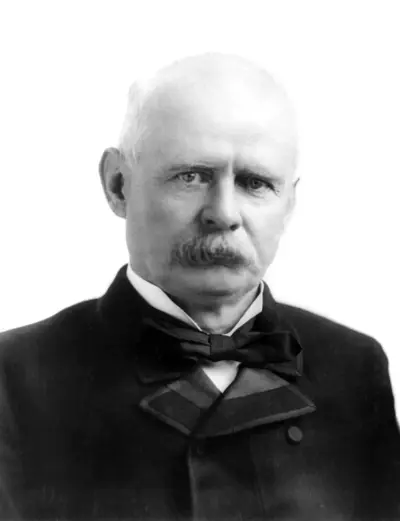
Adlai Ewing Stevenson served as the 23rd vice president of the United States from 1893 to 1897. Previously, he served as a representative from Illinois in the late 1870s and early 1880s. After his subsequent appointment as assistant postmaster general of the United States during Grover Cleveland's first administration (1885–1889), he fired many Republican postal workers and replaced them with Southern Democrats. This earned him the enmity of the Republican-controlled Congress, but made him a favorite as Grover Cleveland's running mate in 1892, and he duly became vice president of the United States.
