Richard Louv Quotes
Environment-based education produces student gains in social studies, science, language arts, and math; improves standardized test scores and grade-point averages; and develops skills in problem-solving, critical thinking, and decision-making.
Louv, Richard. Last Child in the Woods: Saving Our Children from Nature-Deficit Disorder. Algonquin Books, 2005, p. 206.


In September, 2007, Vitter earmarked $100,000 in federal money for a Christian group, the Louisiana Family Forum, known for challenging evolution by means of "teaching the controversy" which promotes intelligent design. When the earmark became public, other legislators pressured Vitter to withdraw is earmark which he did in October of 2007. Vitter had been a major opponent of spending federal money for education, but made an exception for this project. Vitter’s hypocrisy extended to his own behavior as well. See {625898}.


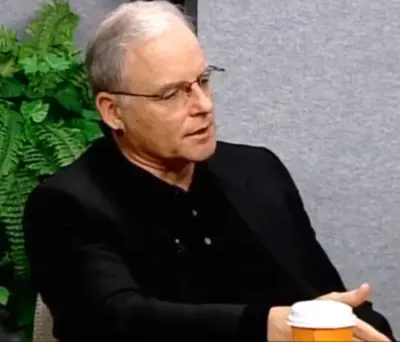
Richard Louv (born 1949) is an American non-fiction author and journalist. He is best known for his seventh book, Last Child in the Woods: Saving Our Children From Nature-Deficit Disorder (first published in 2005 by Algonquin Books of Chapel Hill), which investigates the relationship of children and the natural world in current and historical contexts. Louv created the term "nature-deficit disorder" to describe possible negative consequences to individual health and the social fabric as children move indoors and away from physical contact with the natural world – particularly unstructured, solitary experience. Louv cites research pointing to attention disorders, obesity, a dampening of creativity and depression as problems associated with a nature-deficient childhood. He amassed information on the subject from practitioners of many disciplines to make his case, and is commonly credited with helping to inspire an international movement to reintroduce children to nature.
