John Calvin Quotes
Ecclesiastical honors are either purchased for a set price, or seized by the hand of violence, or secured by nefarious actions, or acquired by sordid sycophancy. Occasionally even, they are the hire paid for panderism and similar services. In short, more shameless proceedings are exhibited here than ever occur in the acquisition of secular possessions.
John Calvin, 1509-1564, Lawyer and Protestant Minister, Founder of Calvinism, The Necessity of Reforming the Church, 1543
Sourced by: Eigen's Political and Historical Quotations


Franklin was the superstar of his day in terms of popularity—especially in Europe. However, his informal, social style together with his late hours and popularity with the ladies, together with the fact that he seemed on good social terms with even enemies developed a combination of jealousy, frustration and even suspicion by some of his diplomatic colleagues.

This is a common rejoinder of third world country leaders to accusations of Western democracies about corruption. And doubtless it is true. However temptation has never been a good defense of improper behavior.


Head of the Sikh Religion

When his wife Benizir Bhutto was prime minister, there was a perception of many Pakistanis that he was getting 10% graft on all government construction, development and purchases. After his wife was assassinated, he was elected Prime Minister, and the notorious nickname stuck even then.

Clark, after becoming one of the richest men in America, wanted to go into National Politics, but most people hated him so he could never win elected office. At the time, Montana selected their Senators by a vote of the State Legislature. So Clark bribed enough members of the legislature to become the Senator. However, the bribery scheme became a public scandal and the Senate refused to seat him. So the legislature had another vote in the next legislative session and Clark won again, and that time no one had the evidence of the bribes. But then, more about Clark became known, and he just served the one term.


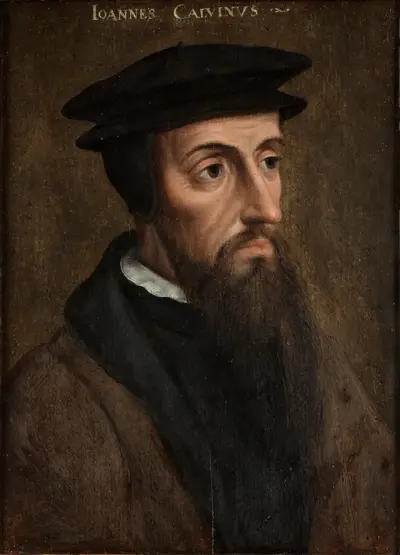
John Calvin was a French theologian, pastor and reformer in Geneva during the Protestant Reformation. He was a principal figure in the development of the system of Christian theology later called Calvinism, aspects of which include the doctrines of predestination and of the absolute sovereignty of God in salvation of the human soul from death and eternal damnation, in which doctrines Calvin was influenced by and elaborated upon the Augustinian and other Christian traditions. Various Congregational, Reformed and Presbyterian churches, which look to Calvin as the chief expositor of their beliefs, have spread throughout the world.
