Nigel Hamilton Quotes
Dwight D. Eisenhower, in my judgment, will go down in history as one of the four 'great' presidents since the U.S. reluctantly became an empire in World War II; Richard Nixon as the nearest to a sociopath by the time he was compelled to resign.
Hamilton, Nigel. American Caesars: Lives of the Presidents from Franklin D. Roosevelt to George W. Bush. Yale University Press, 2010.


She was the first Black woman to be elected to Congress and was the first Black woman to actively campaign for the Presidency


While the American Press ignored Eisenhower’s infidelity and most Americans were ignorant of it, it was common knowledge in England.

Hartman had drafted the Inauguration Speech for Ford to use the next day, when President Nixon would resign in disgrace. When Ford reviewed the speech to make his personal changes he questioned the use of “our long national nightmare is over” and thought that he should not use it. Hartman reacted very strongly as the quotation demonstrates. After much discussion, Ford decided to leave it in, and it became the most quoted line of that speech and perhaps his entire career. Years later he expressed his gratitude to Hartman for not only writing the line, but taking such a firm position to persuade Ford to use it. See {641353} for Ford’s inaugural address quotation that became so famous.
Hartman and the other few advisors who Ford had consulted had opposed the idea of a Nixon pardon. However, Ford went ahead with it, and it probably cost him the reelection. Most people two decades later tended to agree with Hartman’s later view in this quotation.


Dr. Snyder was the youngest physicist at Los Alamos working on the Atom Bomb Manhattan Project. His rocketry skill was used to fire probes into the highly radioactive area to obtain samples and measurements immediately after the test bomb was exploded.

She was writing regarding the first use of television in a presidential campaign and the first time the public had ever been exposed to spot political ads. The practice, innovated in the Eisenhower campaign of 1952, was thought of as playing to the lowest element of the electorate’s psyche—selling politicians as if they were breakfast cereal or soap flakes. However, the technique worked incredibly well electing Eisenhower over Stephenson. Mannes wrote this after the election commenting on what politics had become.
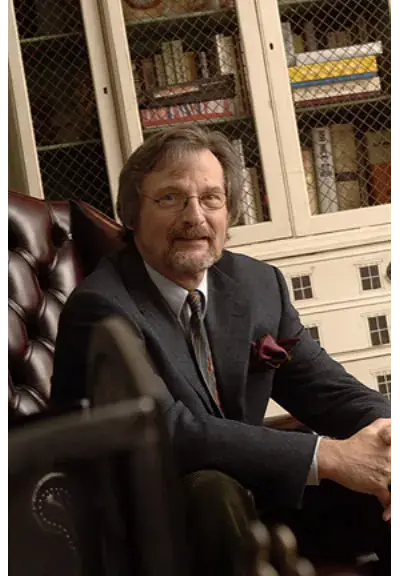
Nigel Hamilton is a British-born biographer, academic, and broadcaster, whose works have been translated into sixteen languages. In the United States, he is known primarily for his best-selling work on the young John F. Kennedy, JFK: Reckless Youth, which was made into an ABC miniseries. In the United Kingdom, he is known for Monty, a three-volume official life of Field Marshal The 1st Viscount Montgomery of Alamein, a senior military commander in World War II, which won both the 1981 Whitbread Award and the Templer Medal for Military History.
