Lester B. Pearson Quotes
Diplomacy is letting someone else have your way.
Lester B. Pearson, 1897-1972, Canadian Prime Minister (Liberal), Nobel Laureate in Peace, Humorous Definition of Diplomacy
Sourced by: Eigen's Political and Historical Quotations


The issue of force verses diplomacy has been in debate at almost all times. However, the issue of the conflict with Islam is much the same today—almost 1000 years later

The Russians were breaking diplomatic relations with Israel.

When there is a serious problem with another country and it appears that military force may have to be used, he and most sophisticated policy makers argue that we should always try diplomacy first. If that does not work, then the military option is still open. If it does work, war or other military action is always available as an option. When politicians do not want to try diplomacy, it is usually that they have an ulterior motive for war and/or military force. Some urge caution with this principle in all cases as sometimes it gives the enemy time to regroup and rearm and he gets stronger by stringing out the negotiations with no intention of a diplomatic solution. In some other cases, as Iran in the second decade of the 21st century when they were suspected of developing a nuclear weapon. The Israeli right wing and some American conservatives wanted no delay in use of military force as that might allow the Iranians to complete an operational message. President Obama and most Americans favored strong economic sanctions with diplomacy first.


Often diplomats and negotiators, coming from different cultures and different counties, and having different points of view and previous experiences, don't even have the same view of that they are there for, what is the object of their negotiations, what the problem or problems are. Sullivan observes that this often takes more time than the actual negotiations.


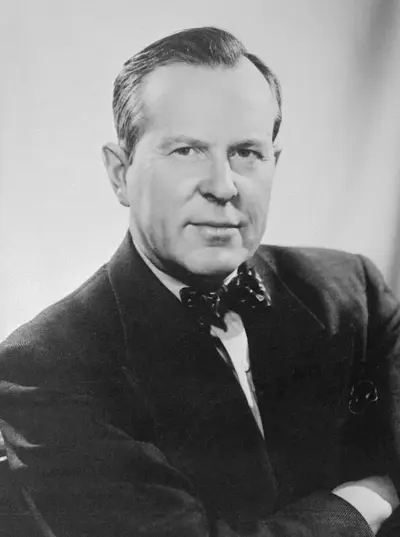
Lester Bowles Pearson PC OM CC OBE was a Canadian scholar, statesman, soldier, and diplomat, who won the Nobel Peace Prize in 1957 for organizing the United Nations Emergency Force to resolve the Suez Canal Crisis. He was the 14th prime minister of Canada from 1963 to 1968, as the head of two back-to-back Liberal minority governments following elections in 1963 and 1965.
