Ambrose Bierce Quotes
DELUGE, n. A notable first experiment in baptism which washed away the sins (and sinners) of the world.
Bierce, Ambrose. The Devil's Dictionary. The Neale Publishing Company, 1911.


In August of 1572 Catholics in Paris led by the Marshall and his soldiers attacked the homes of all known Huguenots, murdering the inhabitants. Tavannes rode through the streets of Paris on his horse shouting the first quotation to his troops who would murder the helpless Protestants. The frenzy spread to the countryside. When it was over 50,000 innocent, unsuspecting Protestants had been murdered. When asked how he, a military marshal felt about such a one sided action against unarmed civilians he responded with the second quotation. The event came to be known as the Massacre of Saint Bartholomew as it commenced on that Saint’s day.


Those who devour interest will not stand except as stands one whom Satan has driven mad by his touch
Interest is forbidden in all transaction, both business and personal.

Manava Dharma Shastra. Drinking alcohol was a very serious sin for the upper three castes. The lowest caste, the untouchables, were permitted to drink however. The theory was that alcohol pollutes the individual soul. Since the lowest caste man is already polluted, it makes no difference. This text is a part of the Hindu Holy Texts. Hindus believe that Manu was a prophet whose text is revealed or inspired.
Gordon himself was killed shortly thereafter by the Madhi’s followers at the siege of Khartoum. Ahmed died soon thereafter. Although Ahmed was an extreme religious fanatic, and a skillful leader, he was not a terrorist.


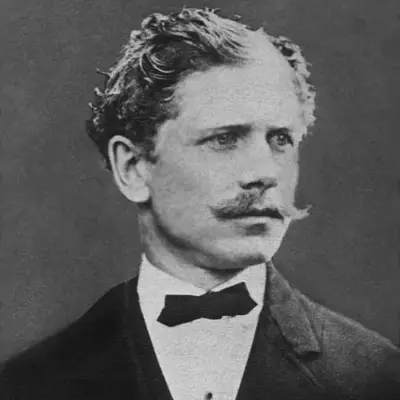
Ambrose Gwinnett Bierce was an American short story writer, journalist, poet, and Civil War veteran. His book The Devil's Dictionary was named as one of "The 100 Greatest Masterpieces of American Literature" by the American Revolution Bicentennial Administration. His story "An Occurrence at Owl Creek Bridge" has been described as "one of the most famous and frequently anthologized stories in American literature"; and his book Tales of Soldiers and Civilians (also published as In the Midst of Life) was named by the Grolier Club as one of the 100 most influential American books printed before 1900.
