Lincoln Steffens Quotes
Corruption was not merely political; it was financial, commercial, social.
Most people at the time thought that political corruption was limited to politicians being bribed with money to do or not to do things. It dawned on Stephens that beyond the payment of money per se—that it could involve financial arrangements like shares in companies or tips for investment, business arrangements for family companies then or in the future or even social favors. He was the first political observer to not the variety of forms of political corruption.
Lincoln Steffens, 1866-1936, Editor and Journalist, New theory about corruption, Autobiography
Sourced by: Eigen's Political and Historical Quotations


Samuel Langhorne Clemens, 1835-1910


What was remarkable was that all the Defense Department and military witnesses agreed with Lynch on this point.

When his wife Benizir Bhutto was prime minister, there was a perception of many Pakistanis that he was getting 10% graft on all government construction, development and purchases. After his wife was assassinated, he was elected Prime Minister, and the notorious nickname stuck even then.

Abramoff had bribed over 100 Congressional offices by a combination of campaign donations, paid golf junkets all over the world, free elegant meals at his own fancy Washington Restaurant, free tickets for the Congressmen, their staffs and their major constituents, to Concerts and sporting events including his own Skyboxes, and promises of future employment at very high salaries. Ironically, we was convicted of cheating some of his lobbying clients and did a jail term, but his “bribery” was technically usually legal. In addition to Abramoff, only one Congressman was charged and convicted of corruption, when many if not most had engaged in these corrupt practices. Congress makes the rules with loopholes so that what is bribery and corruption in any other setting is often not against the law if Congress is involved.


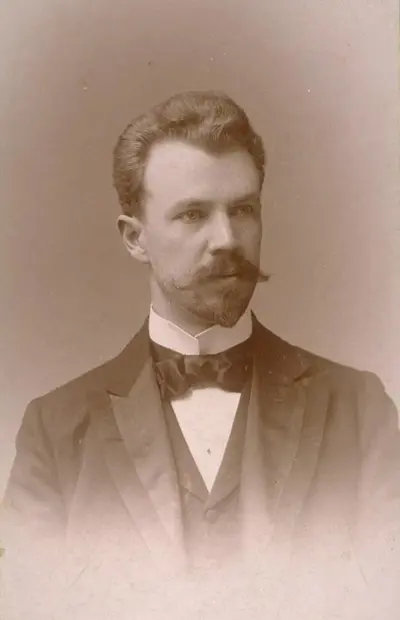
Lincoln Austin Steffens was an American investigative journalist and one of the leading muckrakers of the Progressive Era in the early 20th century. He launched a series of articles in McClure's, called "Tweed Days in St. Louis", that would later be published together in a book titled The Shame of the Cities. He is remembered for investigating corruption in municipal government in American cities and for his leftist values.
